The Station Exhibition
Contemporary Growth: Artistic Dialogues with Eileen Scott
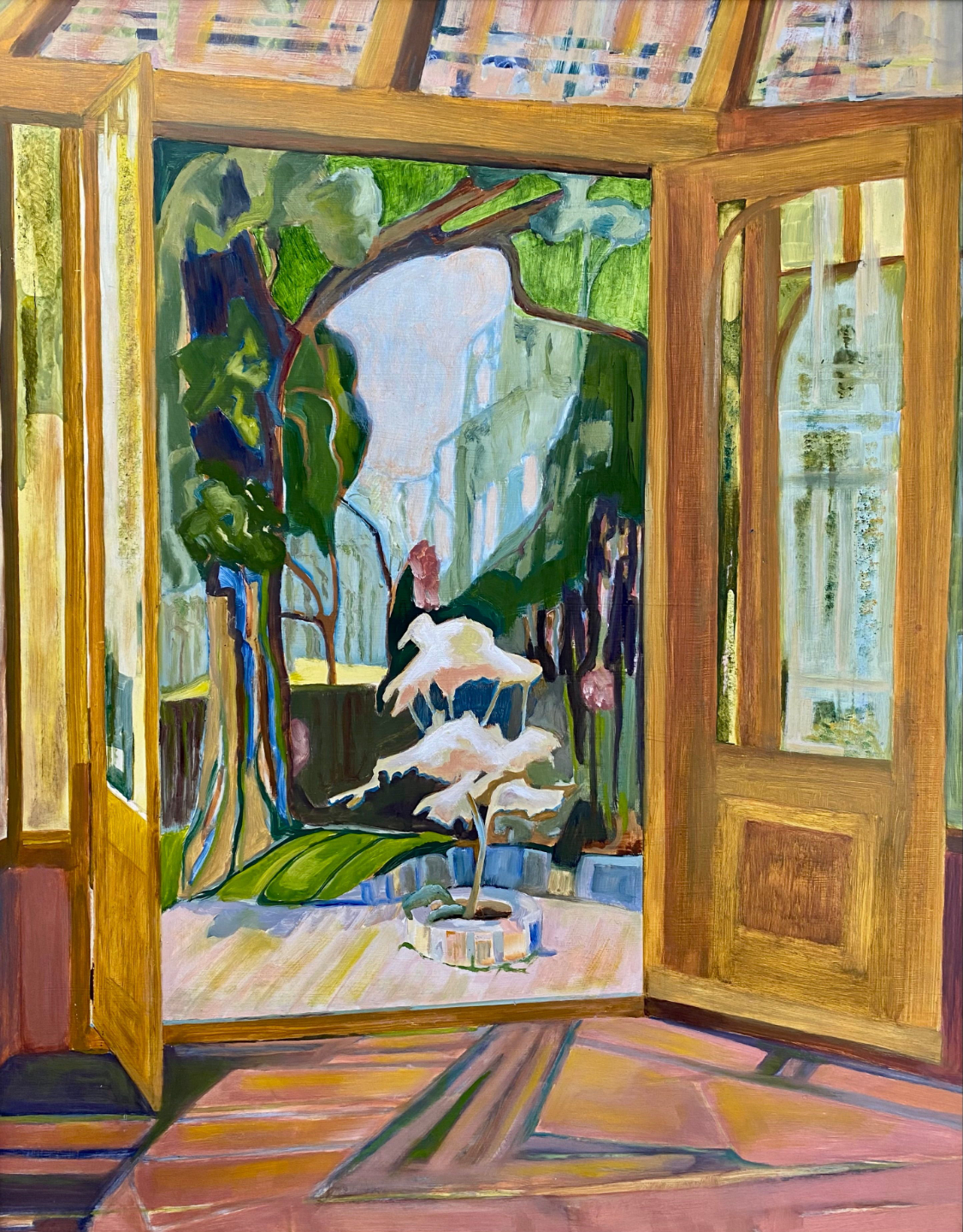
This exhibition invited SCAFFOLD — a collective of SCAF Emerging Artist Award finalists — to respond to Eileen Scott’s The Corner of the Garden. Through 30 new artworks, the artists explore contemporary interpretations of Scott’s themes, techniques, and visual language, creating a dialogue between past and present creative practices.
Click the artists names in the list below to view their work :
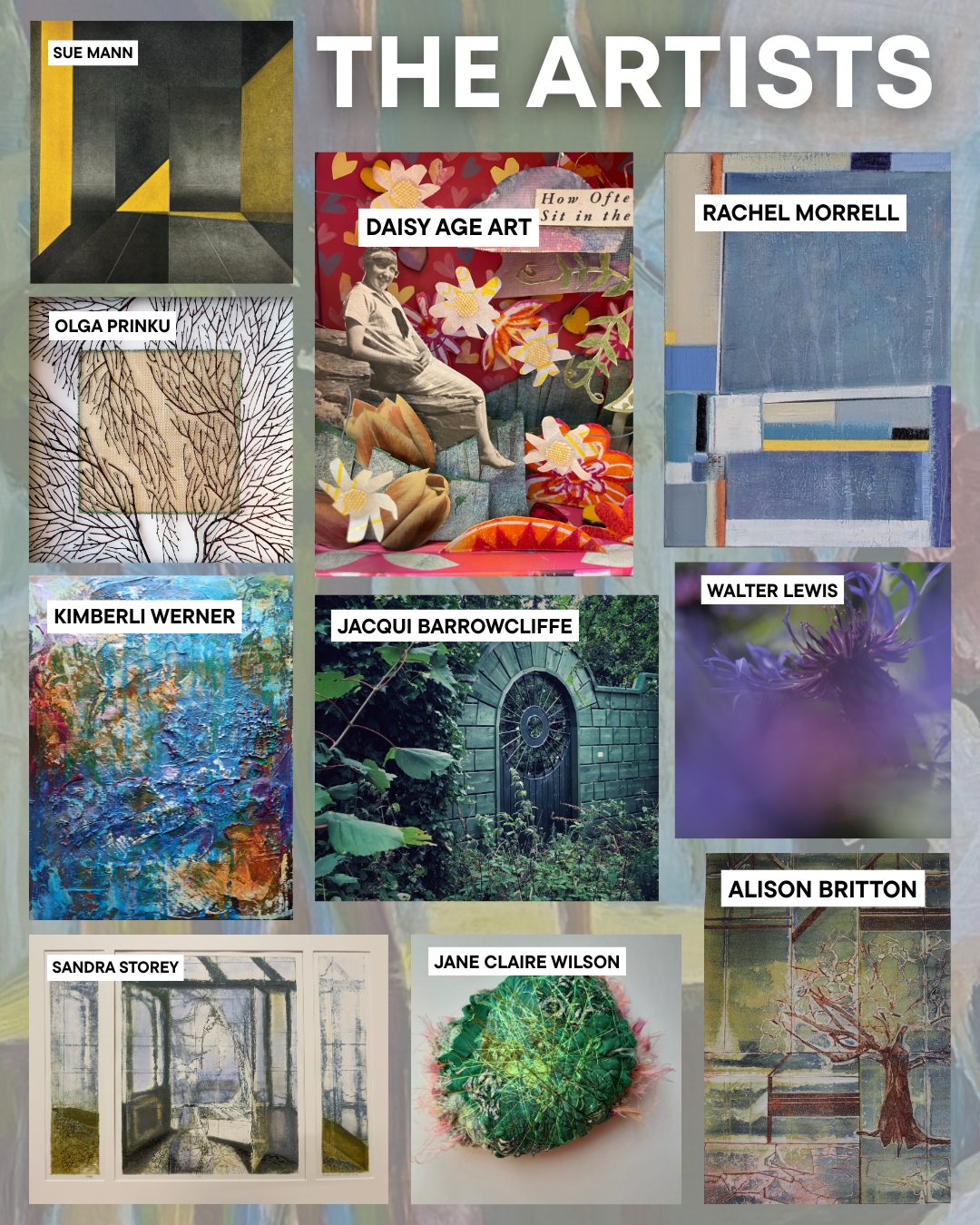
Daisy Age Art
https://www.instagram.com/daisy_age_art
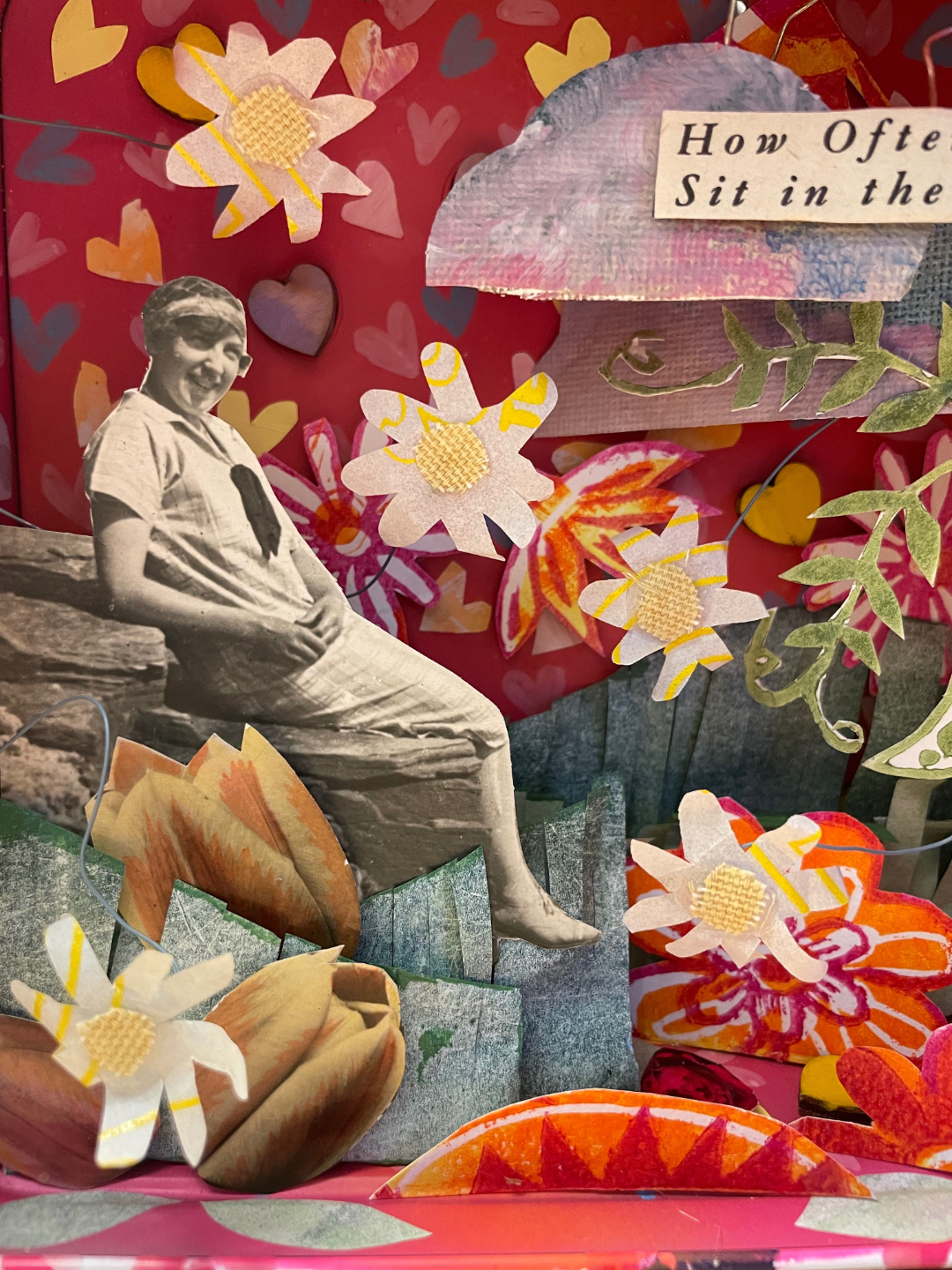
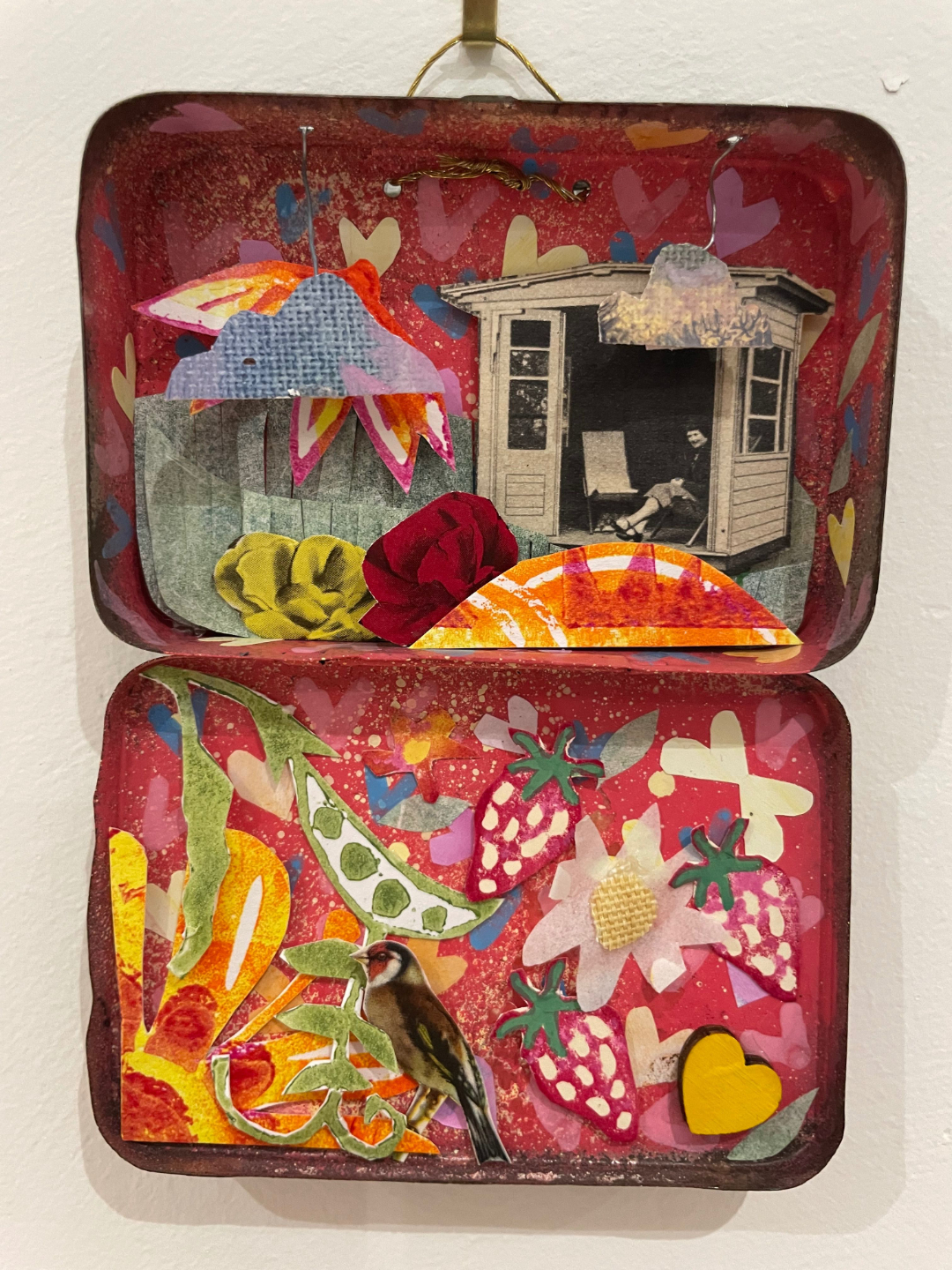
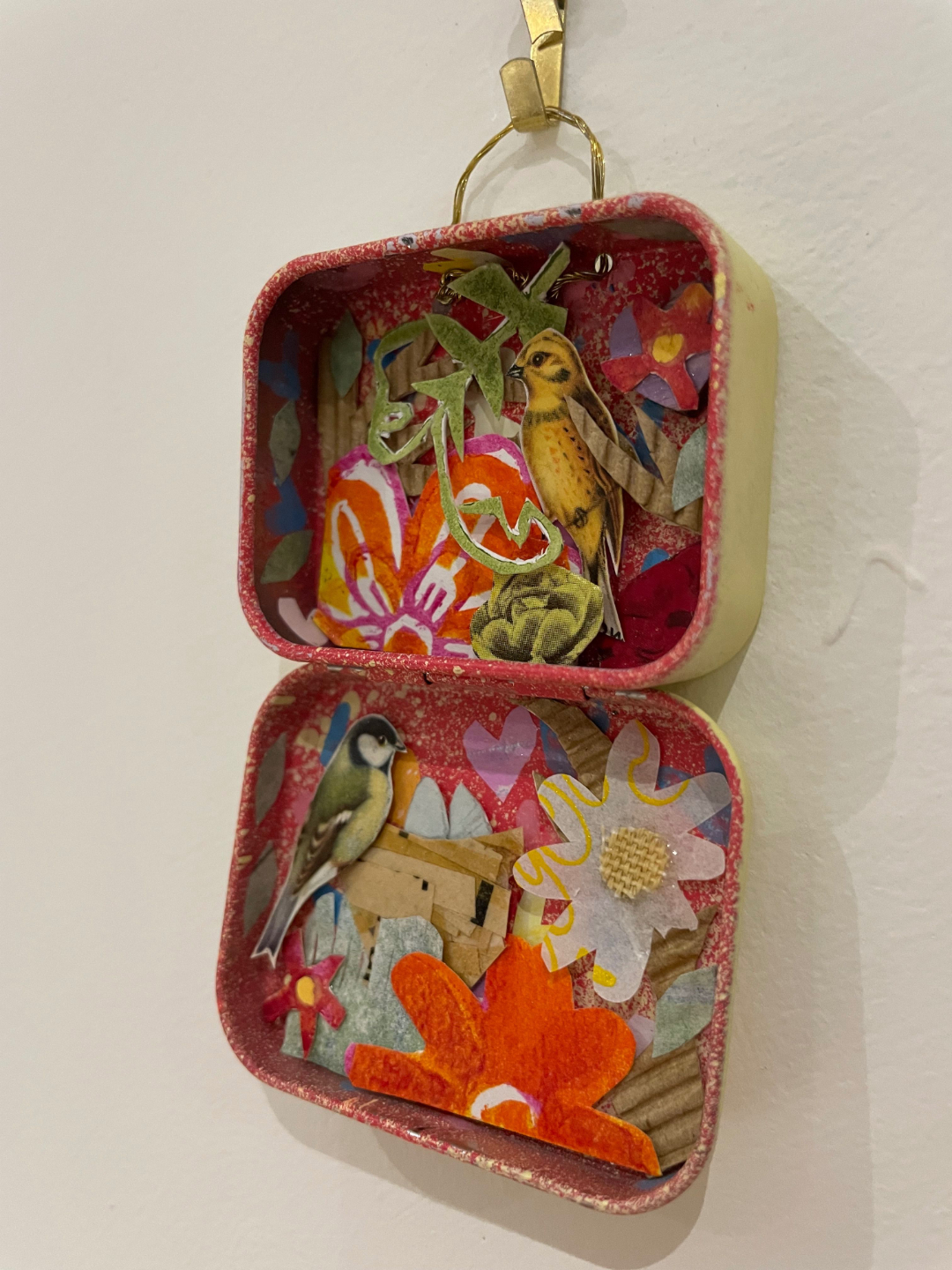
How often do you sit in the Garden?; Take A Seat; Garden Calling
Artist Response
Viewing Garden View by Eileen Scott felt like being pulled straight into the garden, as if I’d just plonked myself down and started soaking it all in. It instantly reminded me of my own time spent sitting outside, surrounded by colour, light, and life, and reminded me of how being in the garden boosts my mood and fills me with motivation and joy.
In my response, I wanted to bottle that buzz. I also wanted my pieces to encourage people to spend more time outdoors, properly enjoying their gardens instead of just passing through them. I leaned into bold, vibrant colours to reflect the warmth, movement, and liveliness nature gives me. The flowers and natural forms aren’t just there to be looked at — they radiate energy and invite you to pause, play, and enjoy the moment.
This work is rooted in my daisy age ethos, “Da inner sound y’all,” celebrating the joyful, uplifting connection between inner energy, creativity, and being surrounded by nature.
Artist Biography
Daisy Age Art is the playful, heart-led practice of artist Emma McKenzie — joyful, quirky, and unapologetically human at its core. Fueled by a lifelong creative curiosity that refuses to sit still, Emma has always explored through making, storytelling, and joyful experimentation. Trained in set, prop, and costume design, she is drawn to immersive worlds and art that invites people in rather than keeps them at a distance.
Her work brings together vintage photographs, original lino prints, hand-drawn elements, mixed media, and found objects such as vintage tins, layering past and present with humour and warmth. Alongside her studio practice Emma works as a counsellor in York, her pieces being where creativity and therapy dance together, celebrating warmth, curiosity, and the gloriously messy magic of being human.
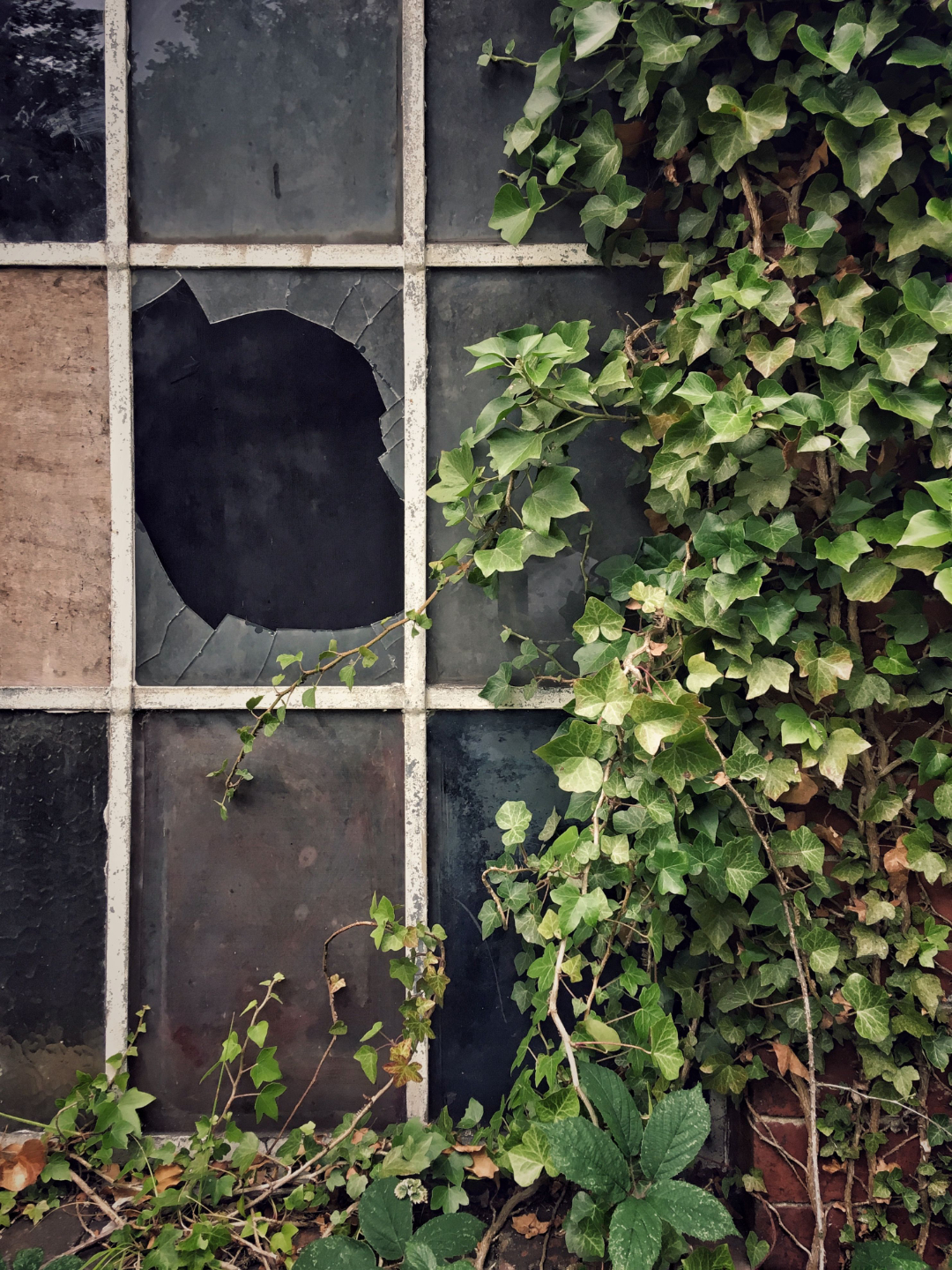
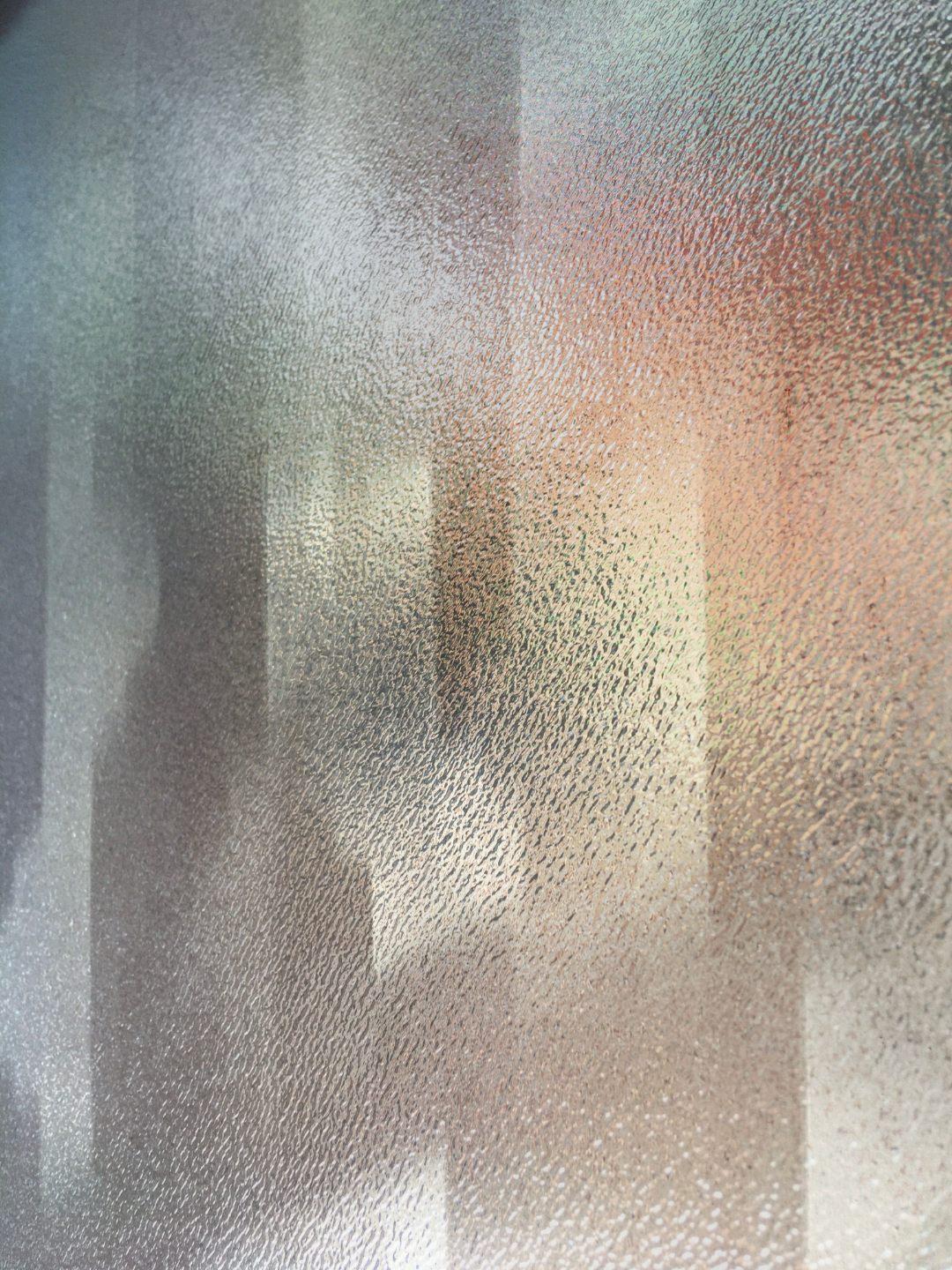
Jacqui Barrowcliffe
https://jacquibarrowcliffe.com/
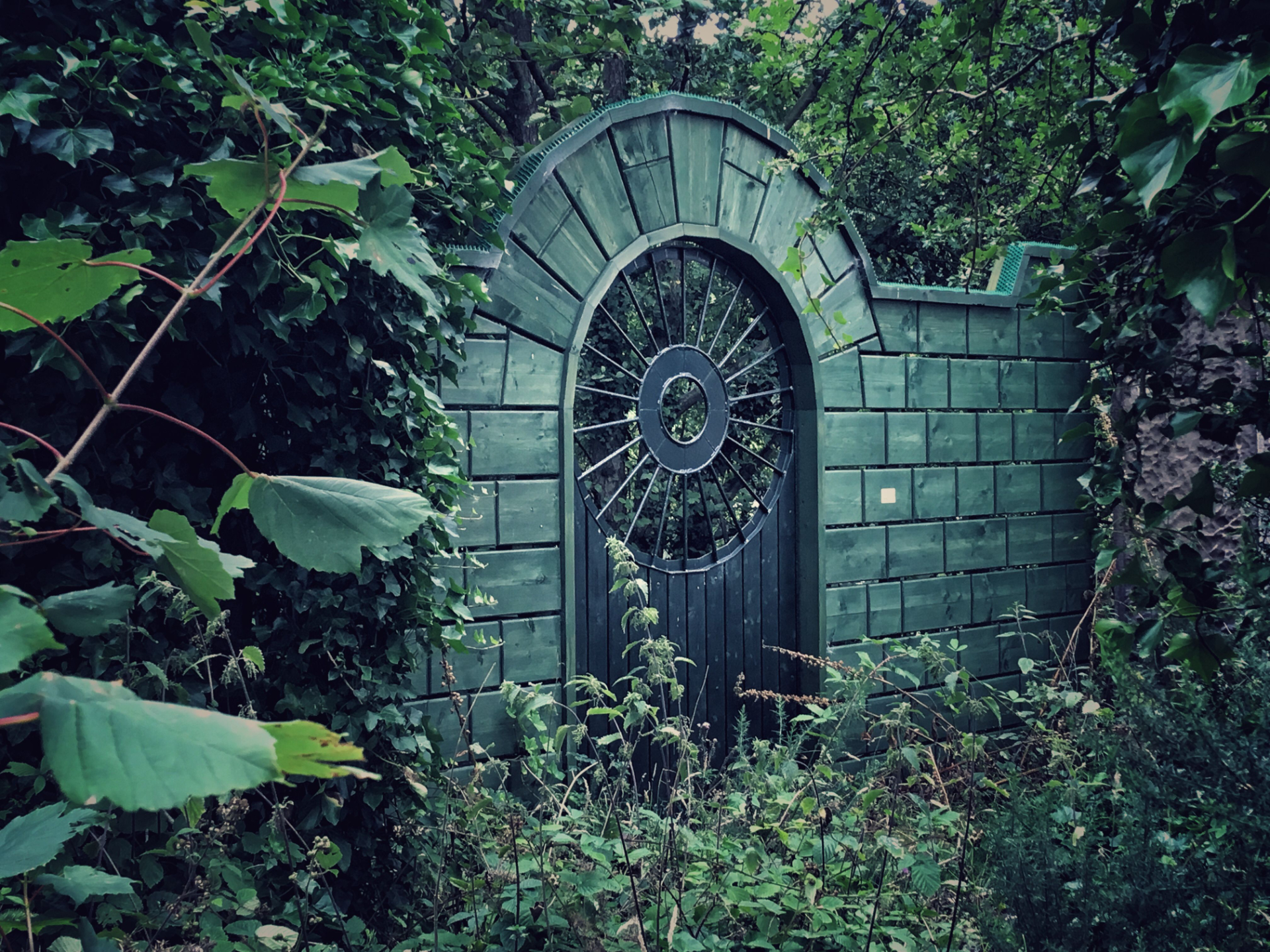
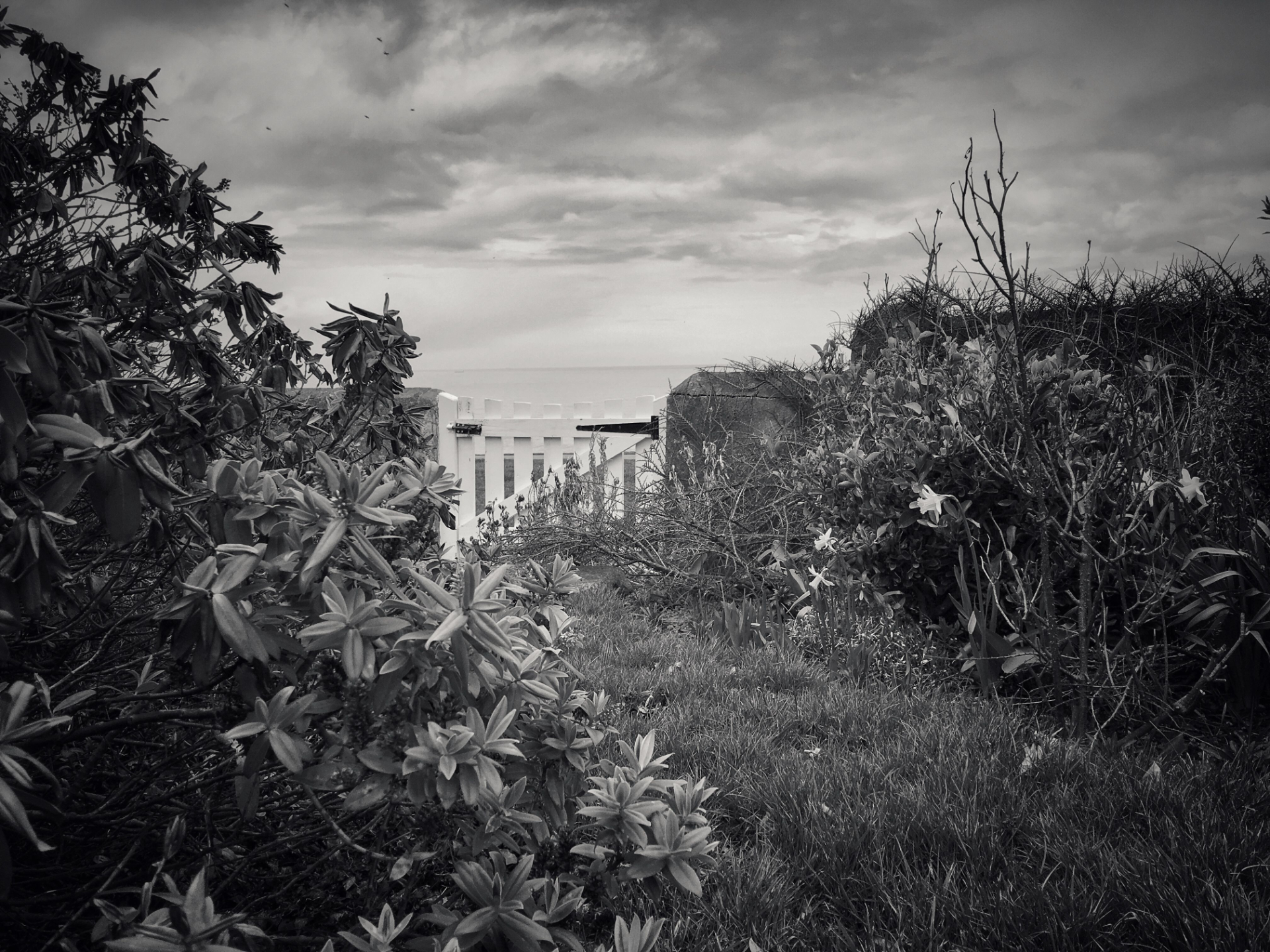
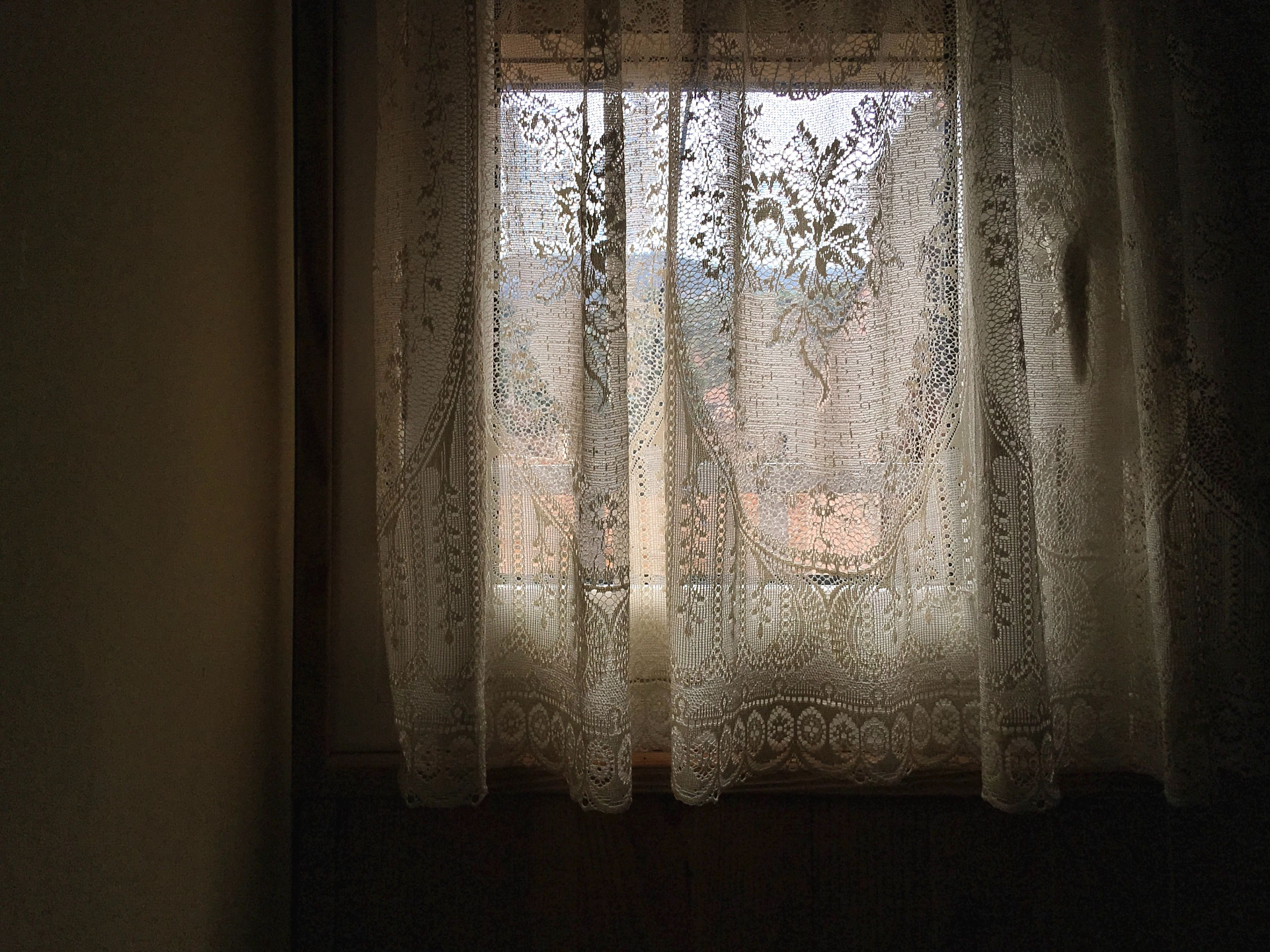
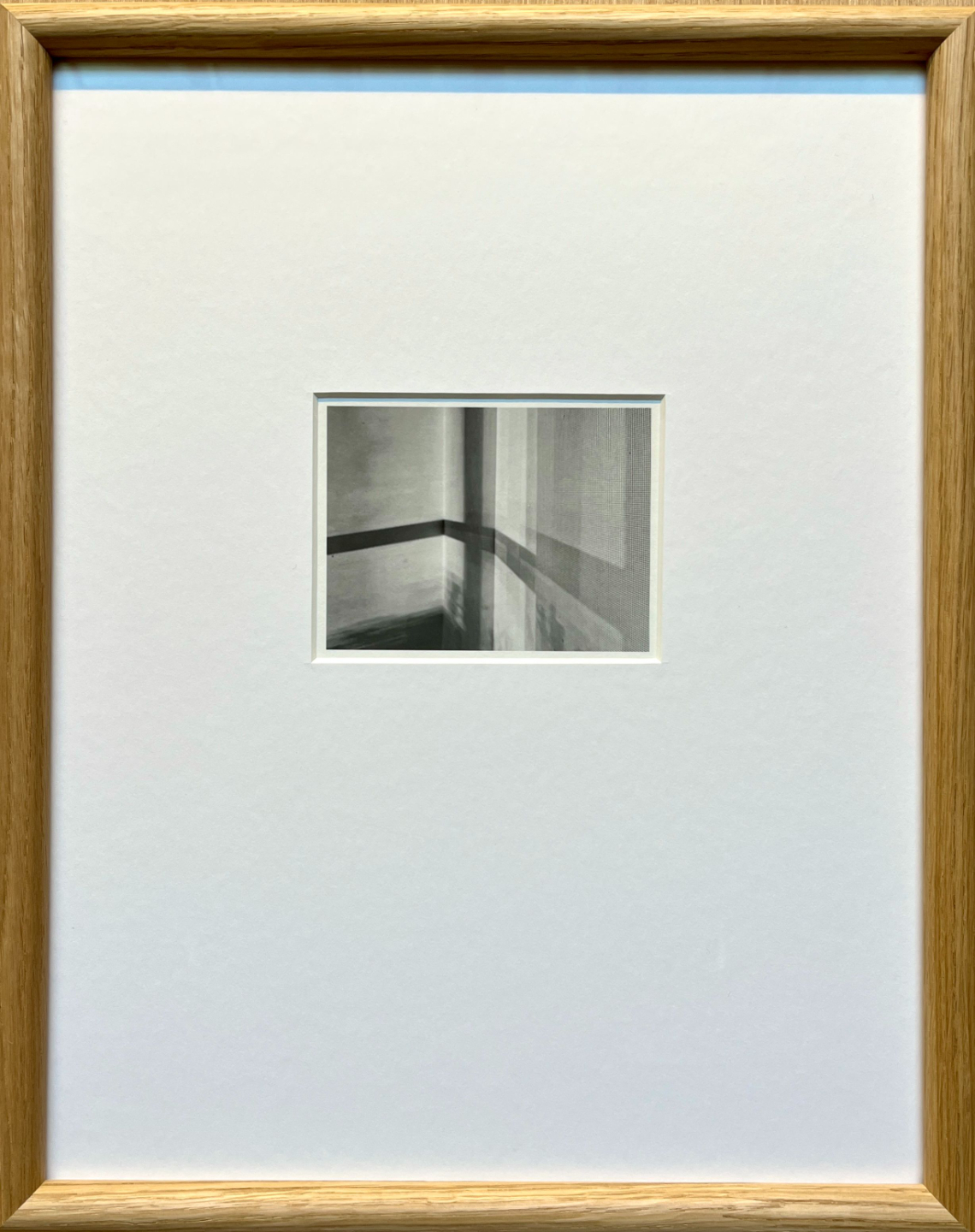
I remember the garden… (i); I remember the garden… (ii); I remember the garden… (iii); I remember the garden… (iv)
Artist Response
Eileen Scott’s painting evoked an emotional response in me, leading me to revisit fond memories from a childhood full of gardens; real, fictional, and imagined. Through this series of images, I reflect on the garden as a threshold between the home and nature, an almost spiritual place where memories, emotions, dreams and imagination intermingle with the cycles of life. A space between the domestic and the wilderness. A place for play and exploration. A metaphorical space that connects our inner and outer worlds. “I remember the garden…” offers an intimate viewing into these spaces, all of which hold within them a threshold, inviting you to step beyond and perhaps revisit the gardens you hold within you.
Artist Biography
Jacqui Barrowcliffe is a multidisciplinary artist whose practice embraces slowness, offering moments of quiet calm in a rushed and noisy world. Her work explores change and human connection to nature, through photographic, video, textile and found-object processes, taking inspiration from the North Yorkshire coast where she is based. Across her varied practice she explores narratives driven by her lived experience of loss, framed within a wider exploration into processes of transformation, time and impermanence, particularly in the context of environmental threats. Her work has recently been shortlisted for the John Ruskin Prize, currently on show at Trinity Buoy Wharf, London.
Alison Britton
https://www.instagram.com/britton_alison
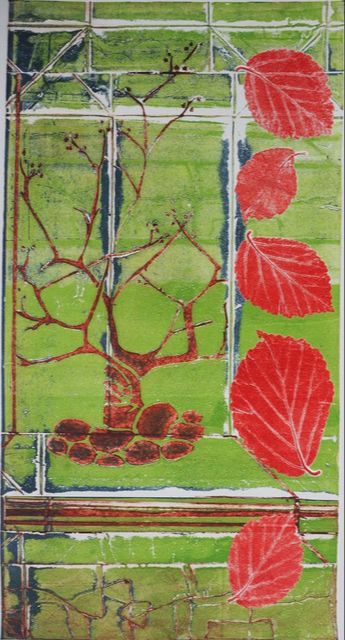
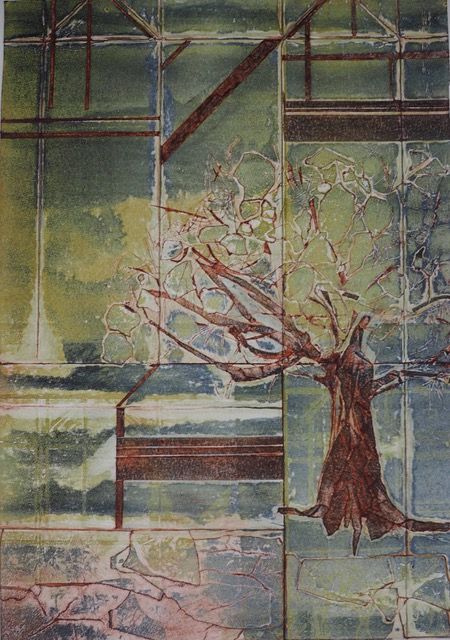
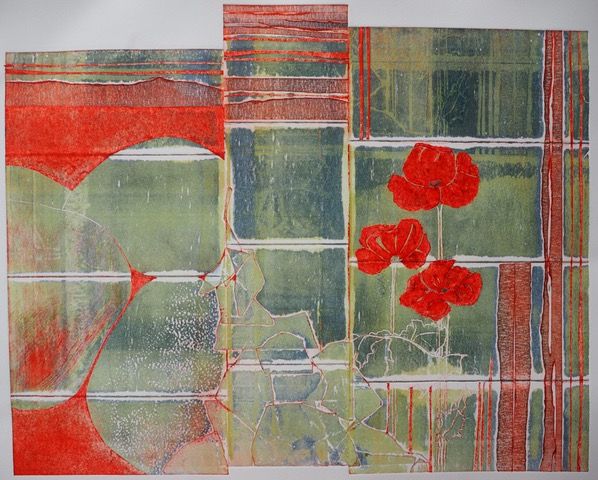
Garden View with Poppies; Garden View and Witch Hazel; Winter Tree. Hidden Leaves.
Artist Response
The most striking feature of Eileen Scott’s painting is her use of framing to move the viewer from inside to the outside space. It prompted me to consider my own view, but more importantly it made me look at the journey through arches and doorways, that would lead to the garden. Transient shape and colour are a frequent inspiration for my printmaking, including the interplay between the ground from above and a traditional landscape view. I had recently been experimenting with ‘tetra pak’ as ground for collagraphs and realised that the angles created by the pack structure were reminiscent of Eileen’s window and door frames. In my three pieces I have used multiple viewpoints to combine frame-like structures with plants, leaves, trees and the garden path.
Artist Biography
Alison Britton completed her MA in Creative Practice, specialising in printmaking in 2018. She was shortlisted for the SCAF Emerging artists award in 2019 and has since exhibited widely in the local area, including a two man exhibition at Zillah Bell Gallery, Thirsk, with Sandra Storey in 2024. She is a member of the Yorkshire Artists Collective, and been part of their recent group shows. She is also a member of SCAFFOLD, a peer review group formed from SCAF emerging artists finalists.
Artist Response
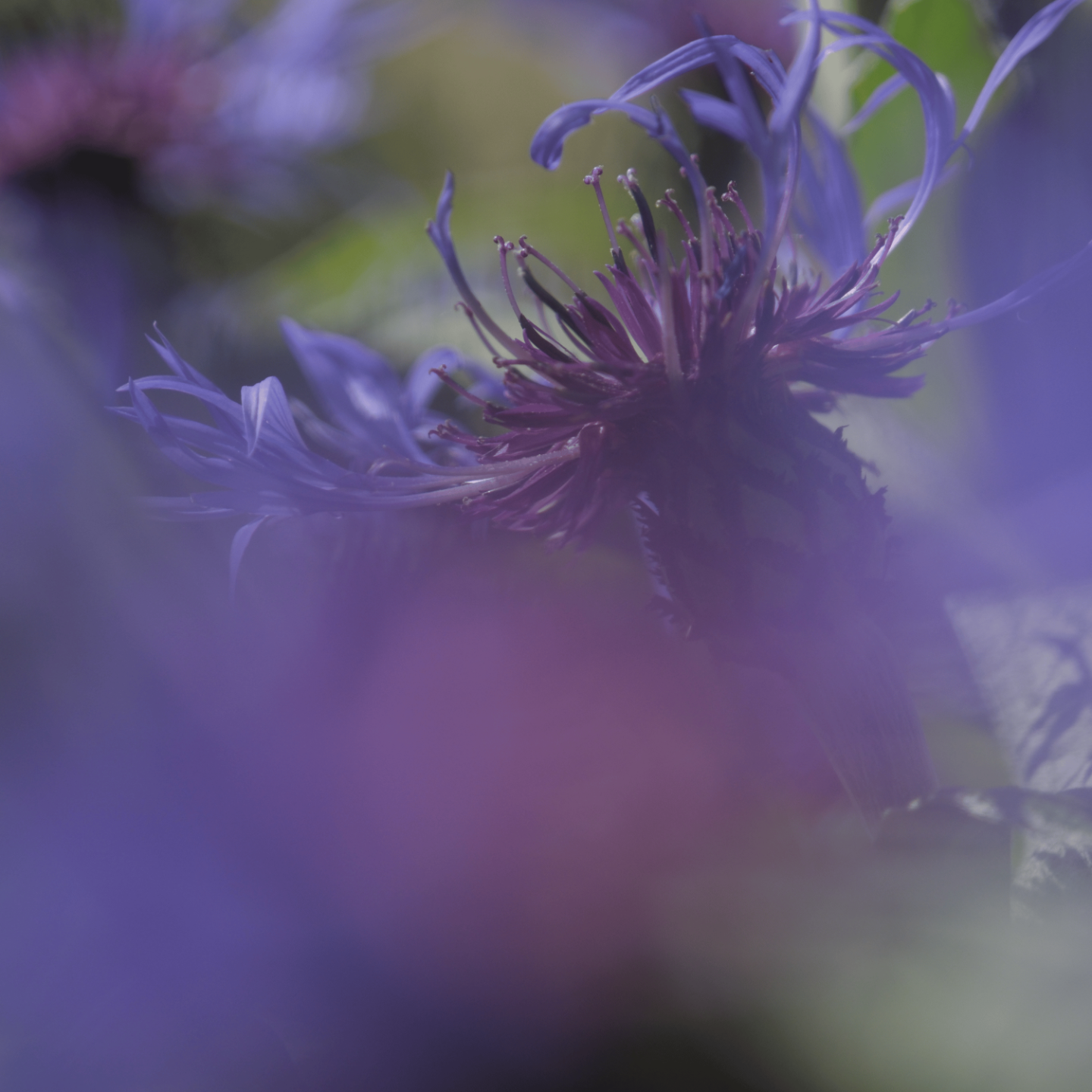
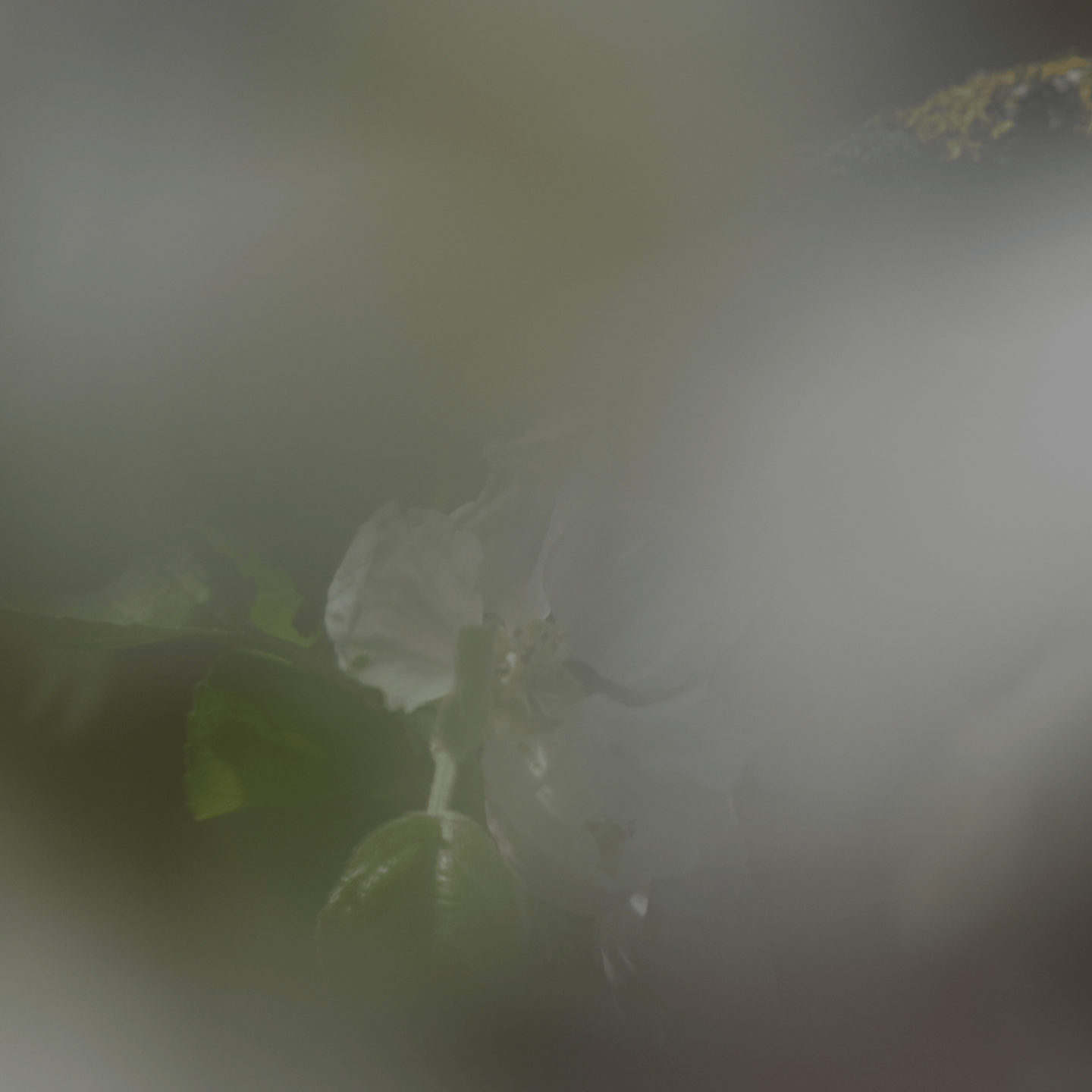
With the doors pushed open, I see the painting as an invitation to move through and into the garden – a curated world borne out of the imagination. Garden Series is an exploration of not just moving into the garden but to being so immersed as to become part of it – becoming part of a world where reality is the imagination.
Artist Biography
Walter Lewis is a fine art photographer focused on exploring the interconnectedness of the world in which we live. His photography is often a very personal interpretation of his interactions with the land. Originally trained as a biochemist, he now has an MA in photography from University of Sunderland and is following his dream of being a critically engaging photographer from his studio near Wetherby.

Artist Response
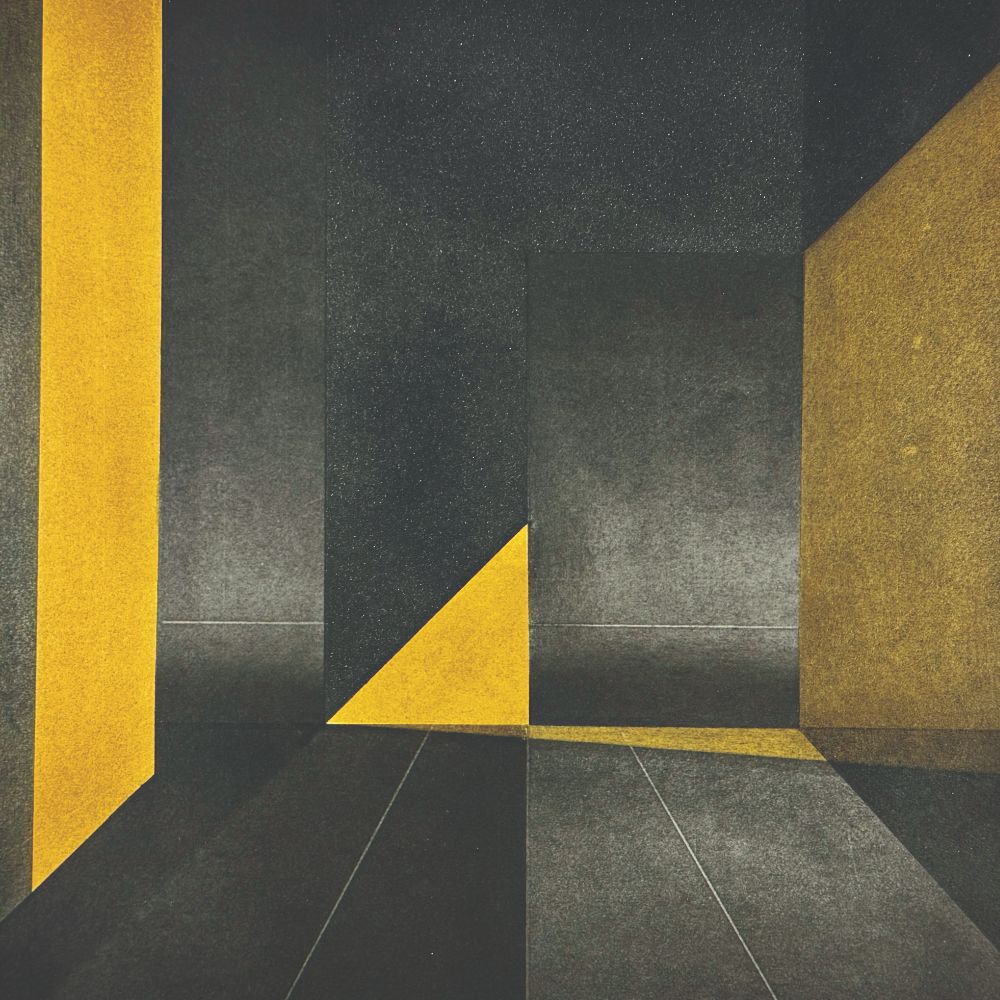
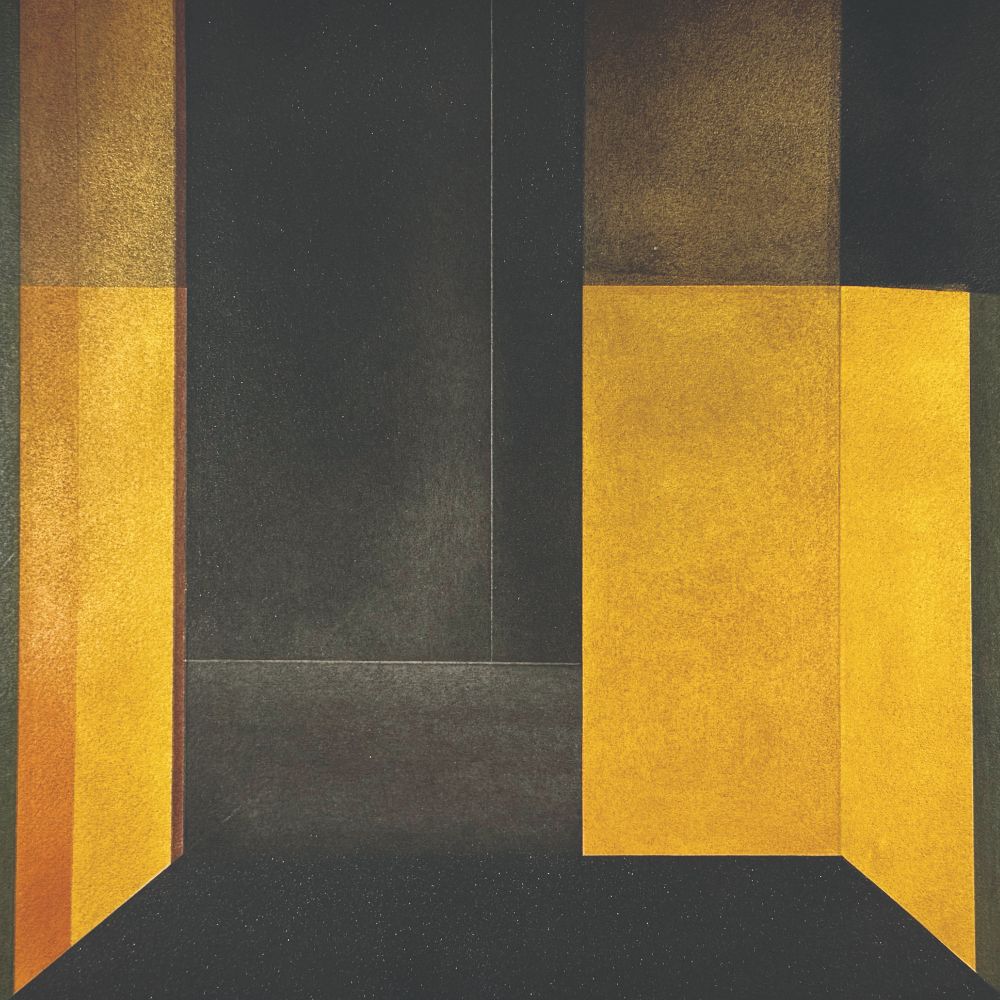
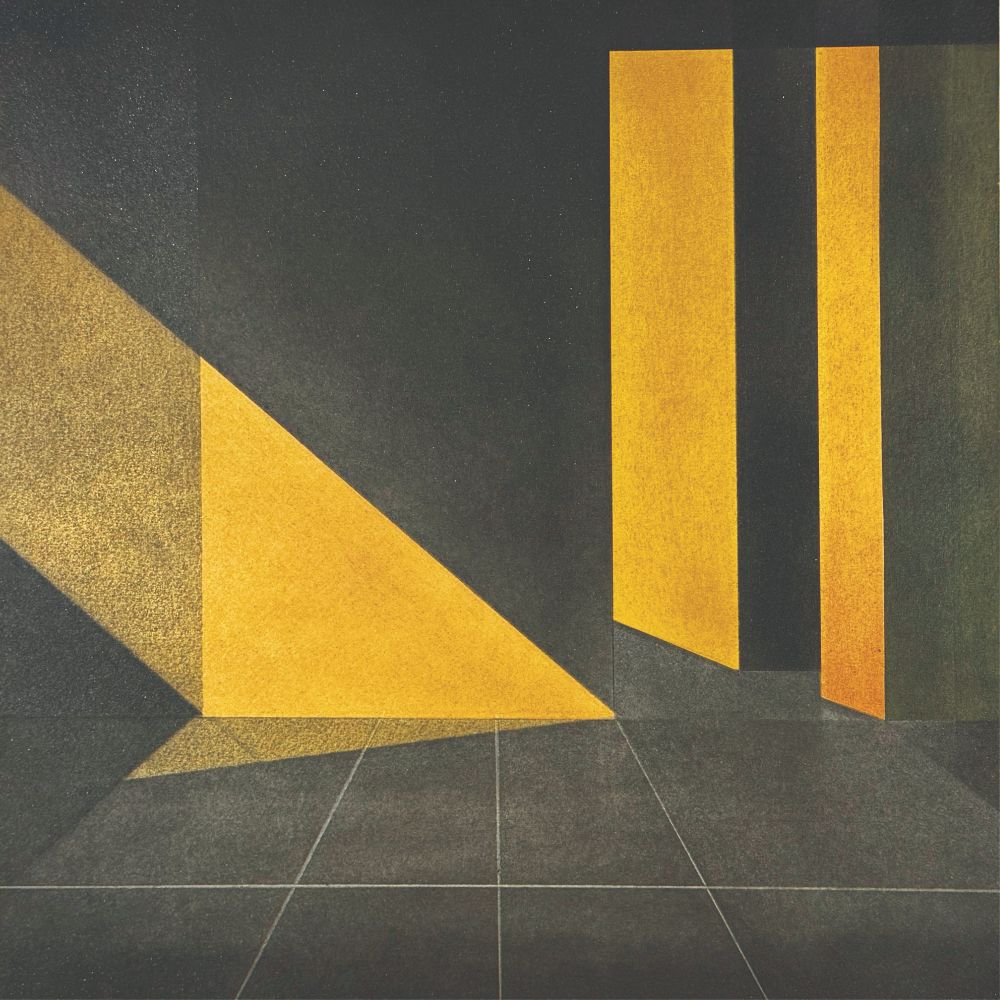
This initial series of original, one-off drawings is inspired by Eileen Scott’s painting Garden View. Scott writes of an emotional response to houses as a place of ‘comfort, safety and privacy’, and for me, this painting alludes to these ideas.
I embraced this starting point to develop my study on the slipping boundaries between our exterior and interior spaces, as we navigate the shifting tensions between our digital and private lives, particularly at home. These semi-abstract works mark fresh points of enquiry on the blurring of thresholds or points of transition between the public and private, the real and imagined. The drawings are made by working multiple layers of dry material into paper by hand.
Artist Biography
Sue Mann lives and works in North Yorkshire. Her art practice centres on a long-held interest in built environments and their impact on those who dwell in and around them. Sue works with the sensory action of drawing and through her work invites us to take a closer look at our experience of the architectural spaces that surround us.
Many of Sue’s works reference shifting tensions between public and private spaces, while others focus on uncovering forgotten or reimagined aspects. Her artworks range from small, contemporary abstract drawings to large-scale, layered drawings, often installed to respond to light.
Artist Response
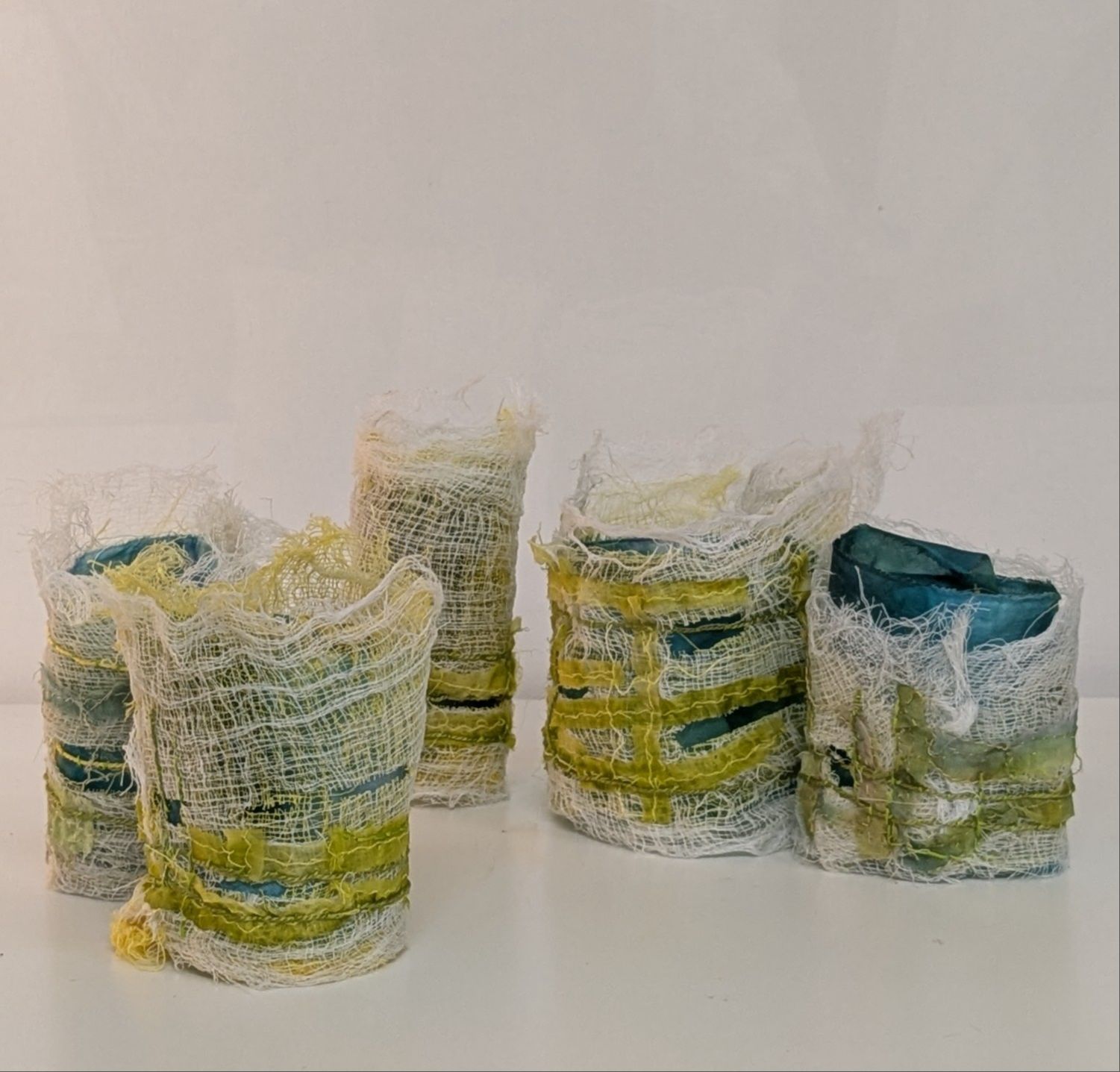
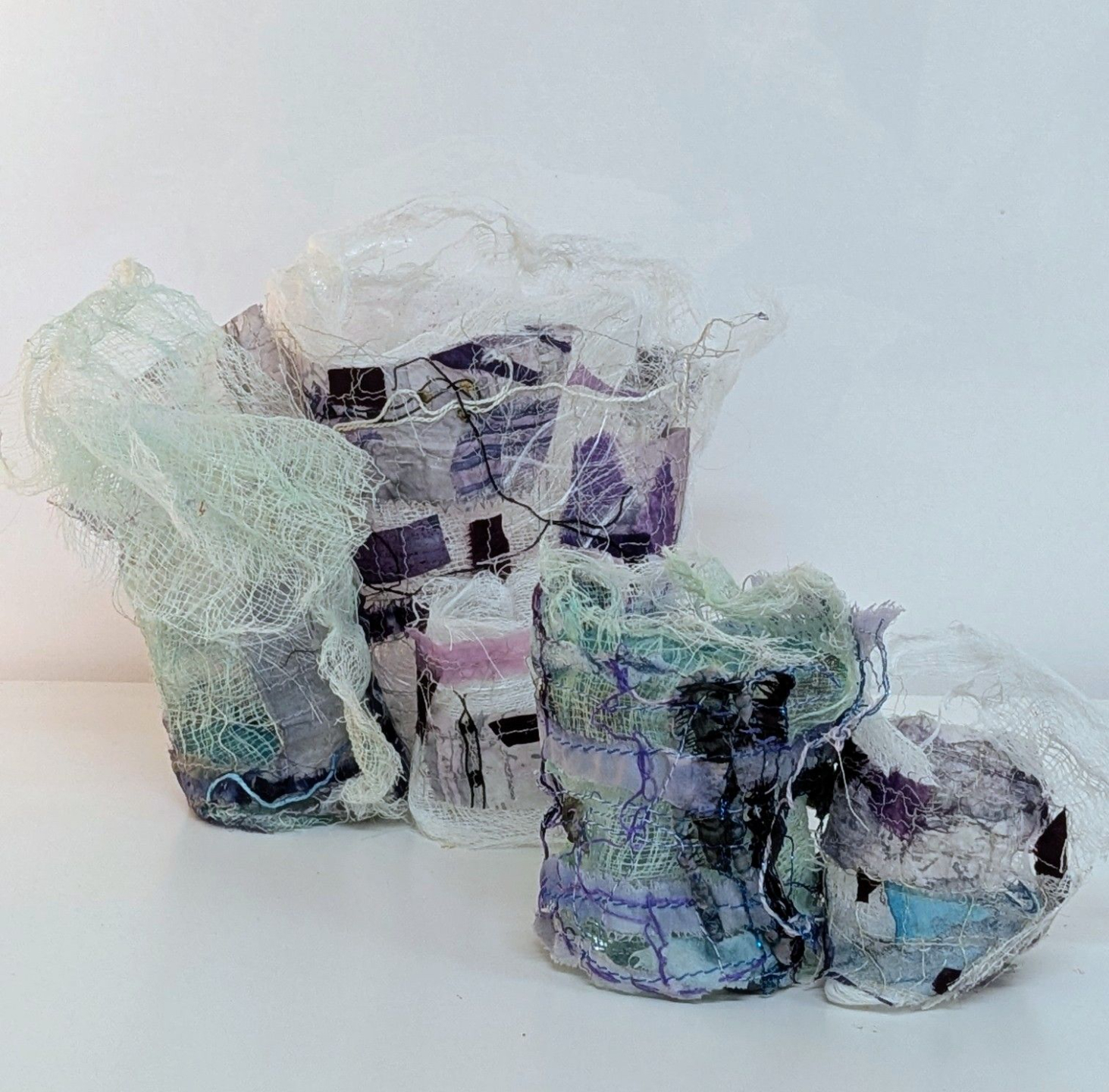
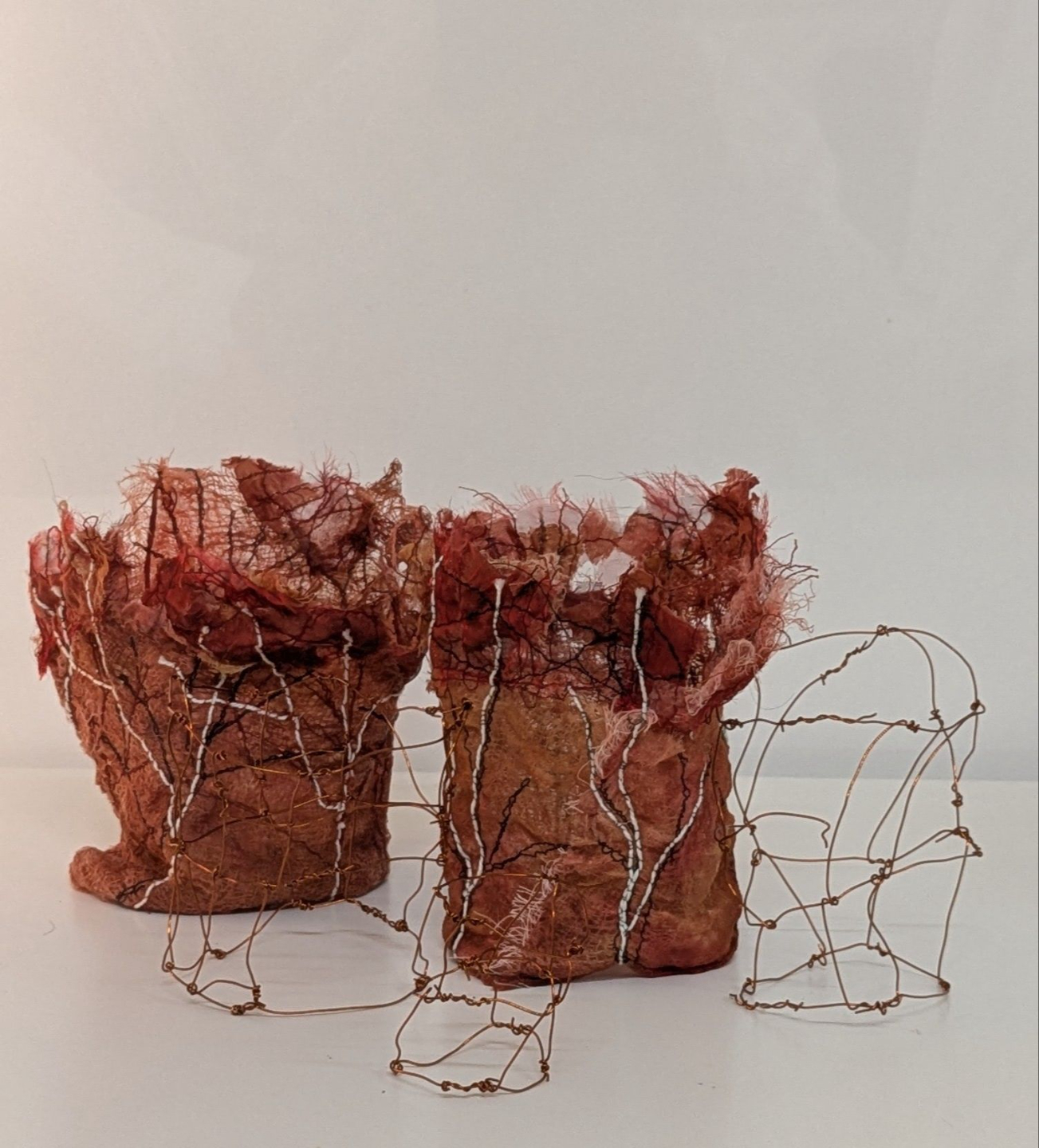
This collection is a response to the world of the garden seen through the conservatory doors and the domestic confines of the house. The Vessels represent the Seasons with ‘seasonal’ colours and are made from stiffened gauze with silk decoration and inner linings, that have been couched over to represent the boundaries of the window frames.
The conservatory is the transitional space between inside and outside but in the Vessels with the glimpses through the layers, which is which?
The word Vessel implies a container that will hold solid or liquids, but these little sculptures challenge that idea and could be seen as ’empty’ or having no purpose. They question the value of the purely decorative.
“If you want a golden rule that will fit everything, this is it: Have nothing in your houses that you do not know to be useful or believe to be beautiful.” William Morris
Artist Biography
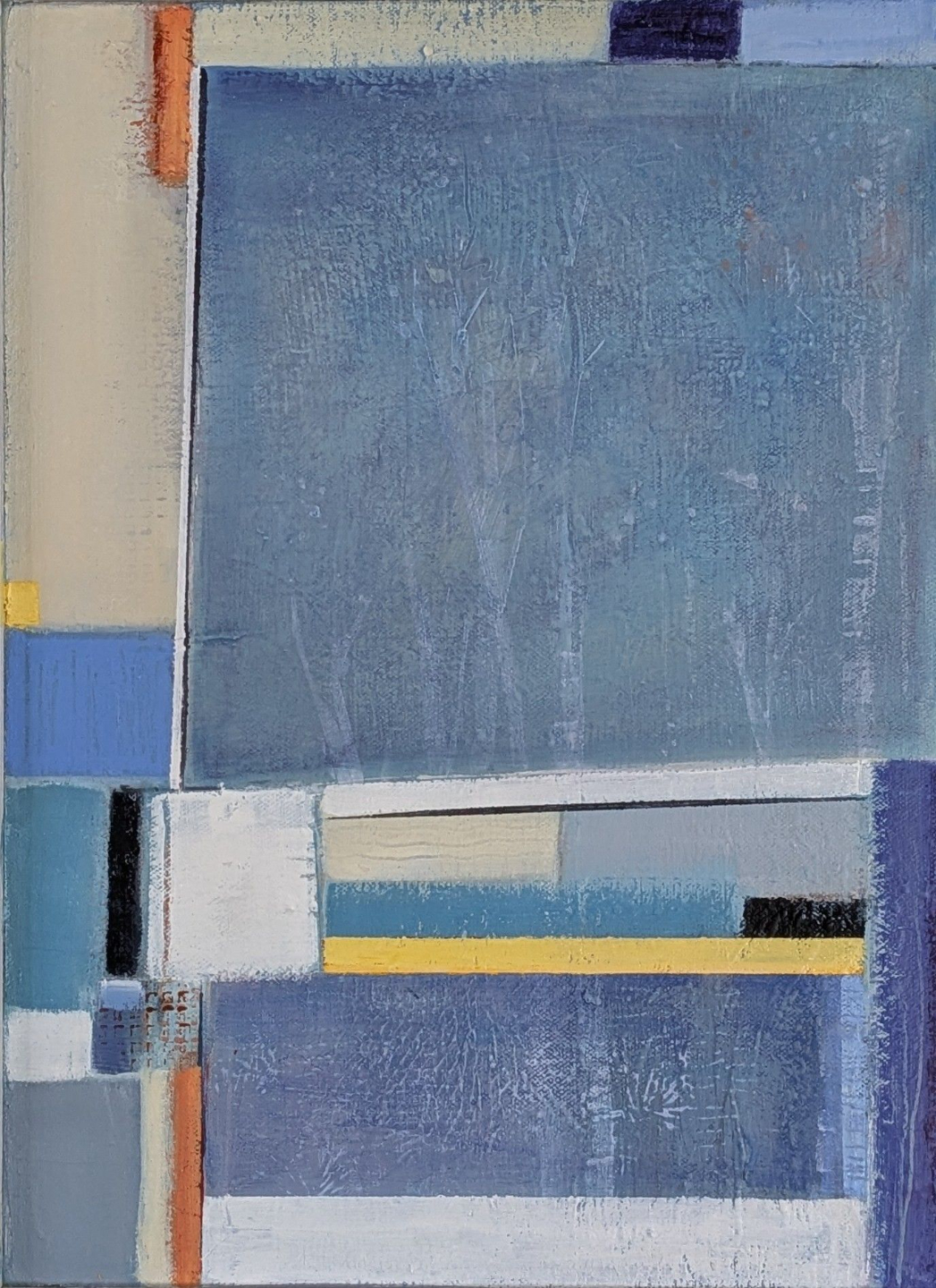
Rachel Morrell is a contemporary landscape artist living in North Yorkshire. Her abstract and semi-abstract work in acrylics, oils, textiles and mixed media are inspired by walking and walking journeys . The echoes of former ruined structures and the lives lived there, real or imagined, are suggested in her abstract paintings and textiles.
She has an MA from Leeds Arts University in Creative Practice 2018/19 which recorded the derelict Yorkshire textile mills, both rural and urban. As a member of North Yorkshire Open Studios, 2026 will be the fourth year of opening her studio to visitors and demonstrating her practice.
She also has a studio space at Farfield Mill in Sedbergh.
Artist Response
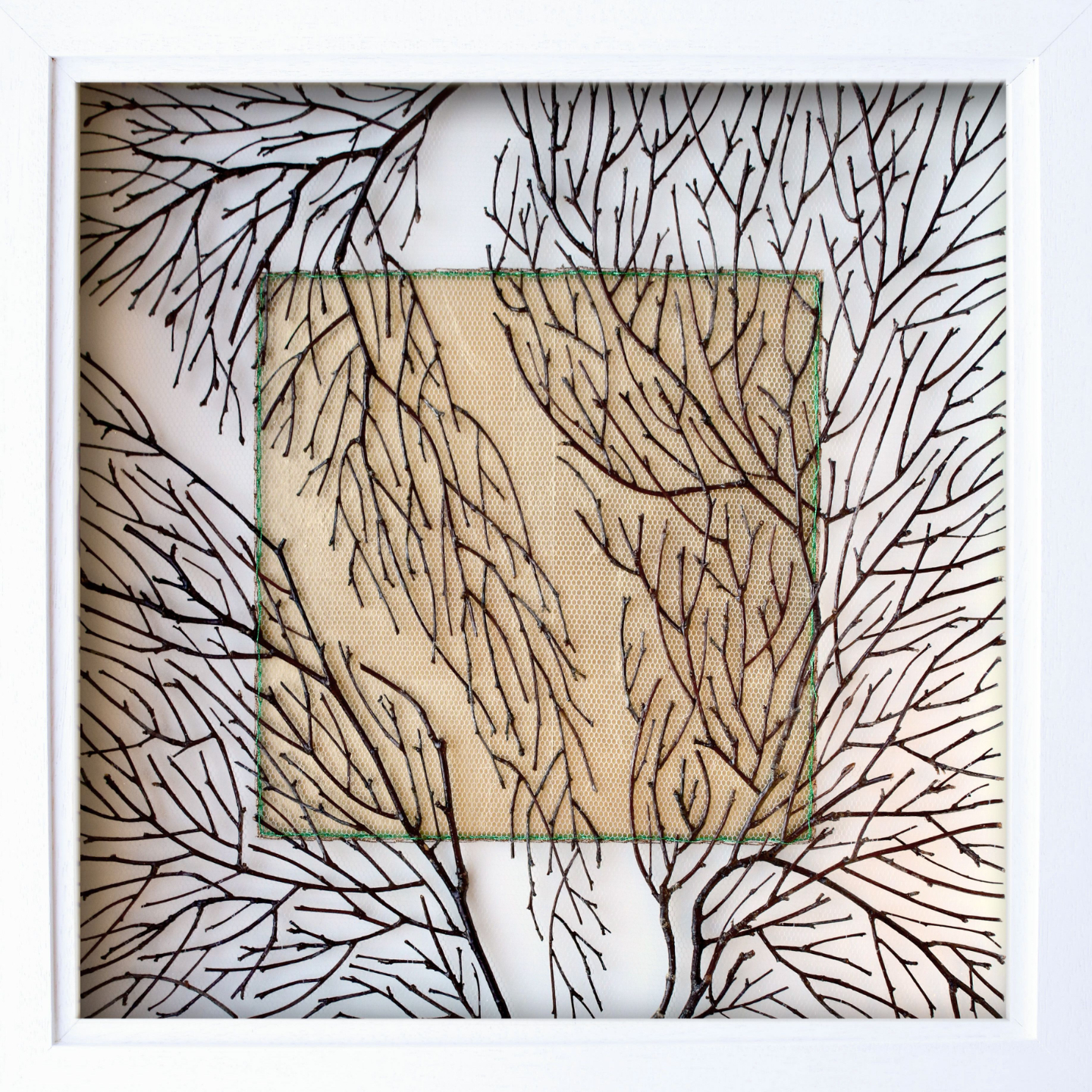
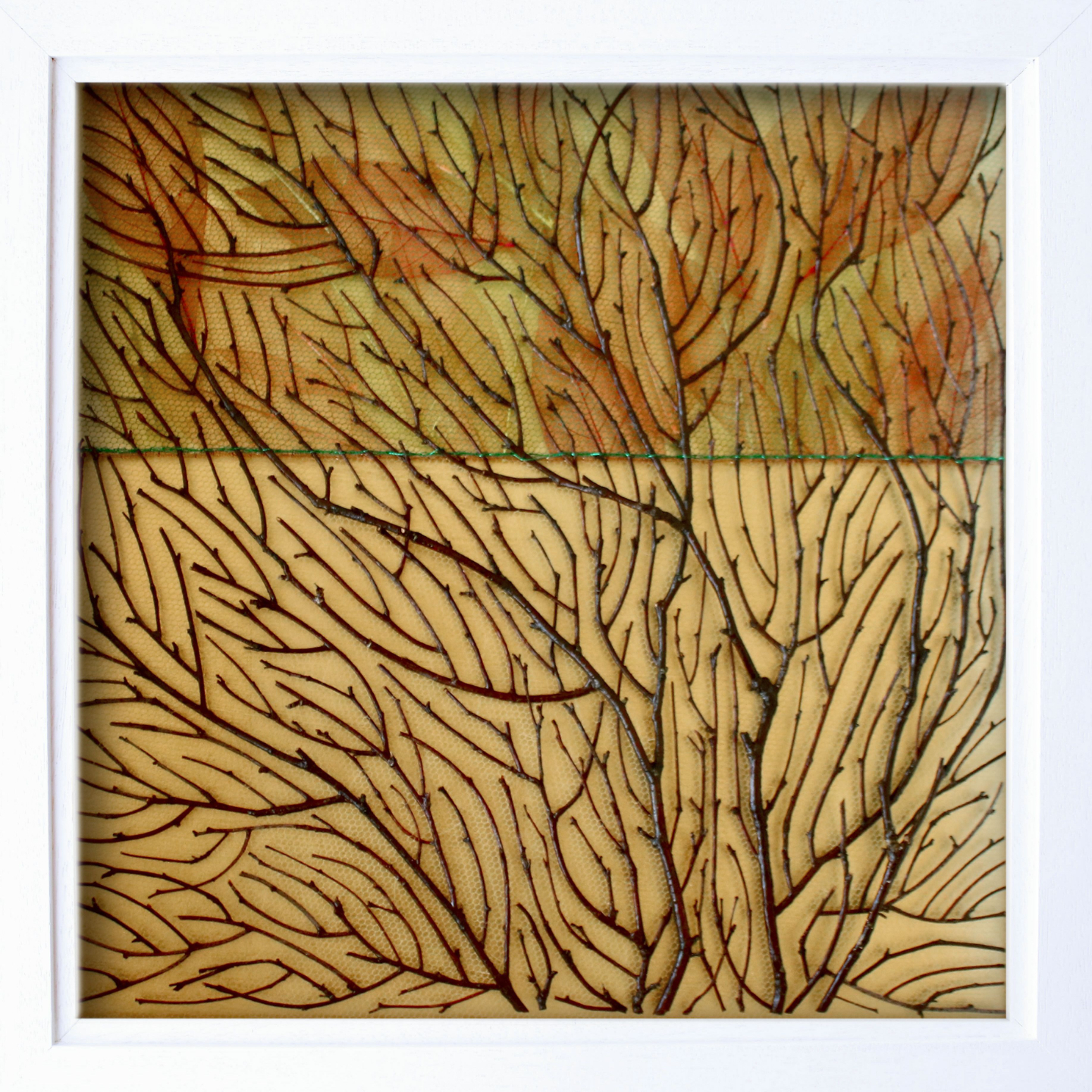
Eileen Scott’s painting invites the viewer to look from indoors towards a flourishing garden, while my own artistic practice involves collecting organic materials – often from my garden – which I deconstruct and reconstruct to create works that bring the beauty of nature indoors. For this exhibition I created a pair of works that explore the idea of the threshold between indoors and outdoors, contrasting the organic branching patterns found throughout the natural world with the straight lines and enclosed spaces of the shelters we build for ourselves.
“Inside Out” uses skeletal leaves to accentuate the theme of how underlying organic structures often go unnoticed, while “Outside In” evokes a sense of how nature envelopes the structures we humans create. Together these pieces invite reflection on the nature of the transition from interior comfort to wild organic complexity. Using foraged silver birch twigs, they form part of my “Graft” series of artworks.
Artist Biography
Olga Prinku is a botanical and embroidery artist whose practice focuses on material investigation and innovation in the context of textiles. Olga explores the boundaries of what can be achieved using real organic material as her metaphorical “thread” to create bio-tapestries. She uses various techniques to attach natural materials – such as dried and preserved flowers, foliage, grasses, twigs, seedheads and berries – to tulle fabric.
Olga’s work has been exhibited internationally. Her book, Dried Flower Embroidery: An Introduction to the Art of Flowers on Tulle, is published by Quadrille. Born in the Republic of Moldova, Olga now lives in North Yorkshire.
Sandra Storey
https://www.sandrastoreyartist.com/
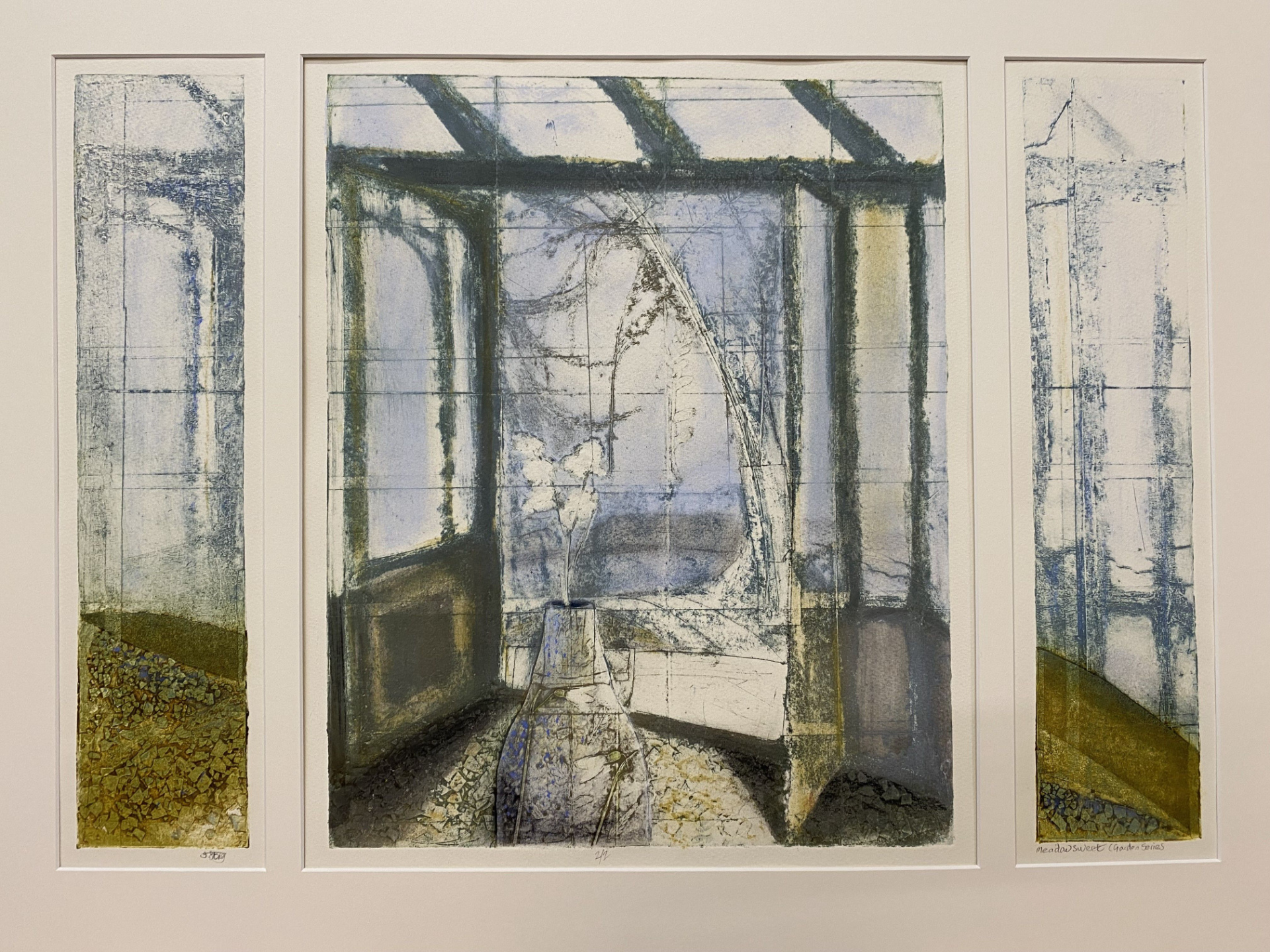
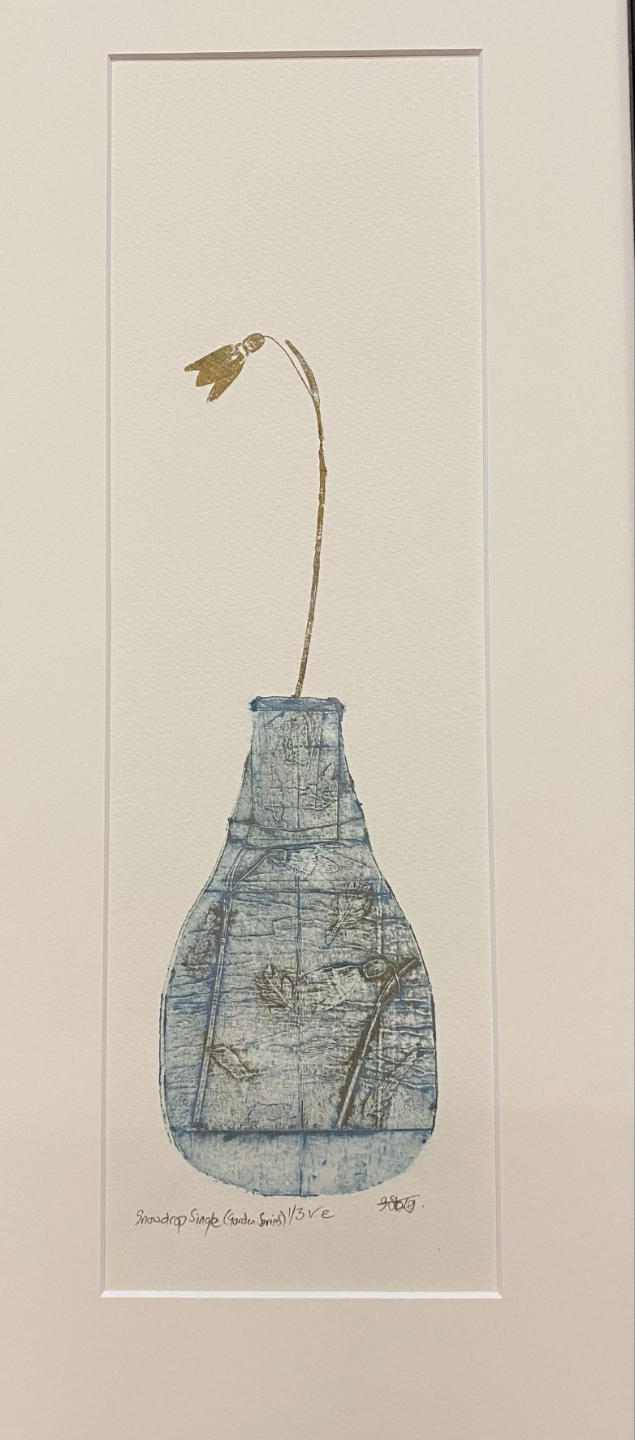
Meadowsweet (Garden Series) Triptych; Snowdrop Vase (Garden Series Triptych; Snowdrop Single (Garden Series)
Artist Response
The mantelpiece, shelf or window is a recurring theme in my work, it’s a place where significant objects can be ‘curated’. These objects, usually natural objects, are from the external world but invested with emotions and memories. They are vessels for elements of the internal world, they become talismans.
In Eileen Scott’s painting, ‘Corner of a Garden’, we are looking at a floor, not a shelf, but it has similar properties. It also has the sense of a threshold where a drama has either taken place or is about to happen, someone or something has just left or is about to arrive.
The white shrub, which takes centre stage, has the feel of a curated object or talisman and is a natural focus for me. It becomes distilled, through three Garden Series images, from Meadowsweet to Snowdrop Vase, Triptych to a final motif in the last of the three prints, ‘Snowdrop, Single’.
Artist Biography
Sandra explores the talisman-like quality of significant plants and objects within the North York Moors landscape.
Printmaking, drawing and painting are often combined to produce single prints or small editions.
Artist Response
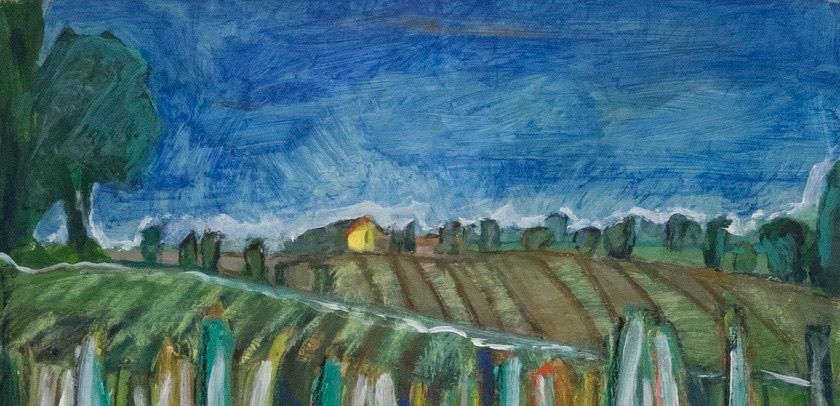
“The Corner of the Garden”, by Eileen Scott, presents a quietly observed Yorkshire garden, drawing the viewer into a private space, through opened doors, during a spring or summer season.
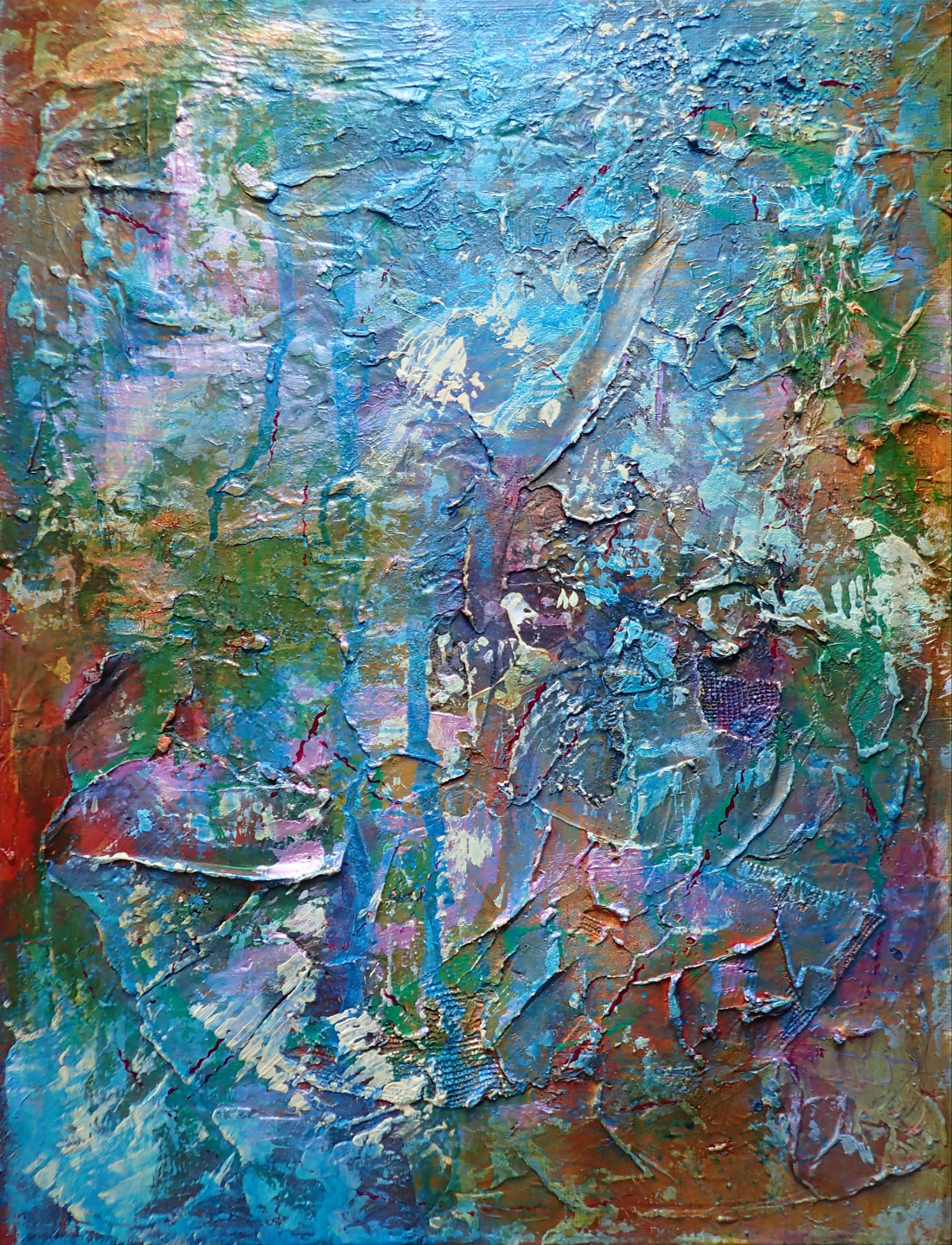
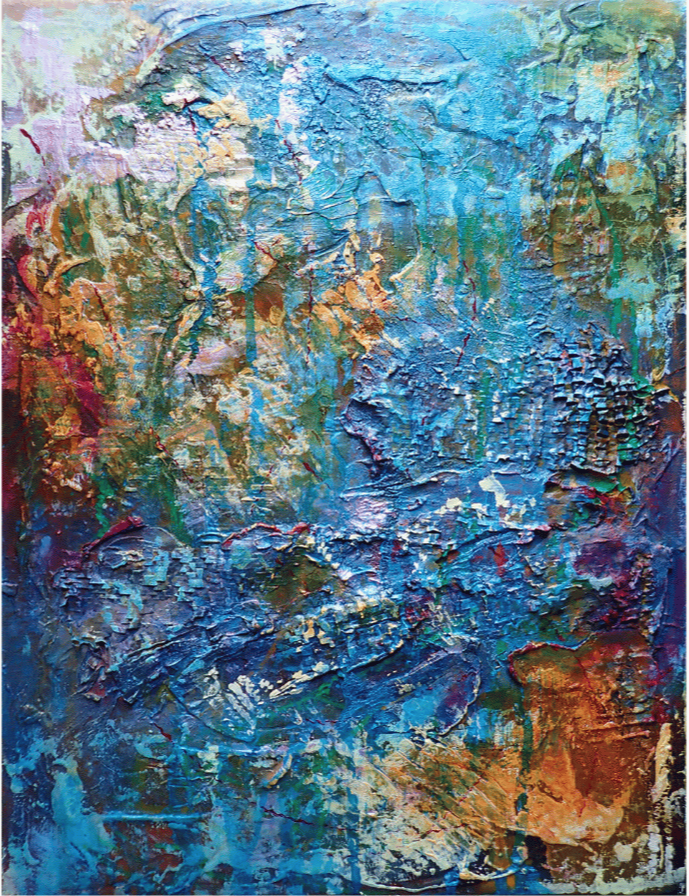
In responding to her work, I was drawn to her saturated colour palette, as well as the abstracted relationship between shapes and lines that suggested a place where forms are guided by feeling rather than realism. I wanted to create a moment of calm and pause in my own work. I chose to use saturated colours and reflect the use of line and shape to create a contemporary abstraction of an everyday environment as a place of quiet, presence, and rest.
Artist Biography
Based in North Yorkshire, Kimberli works expressively and intuitively in acrylics, watercolours, pastels, oil pastels, collage, embossing foil, encaustic wax, found objects, and ink. Kimberli’s self-taught painting technique focuses on spontaneous creativity and not being tied to any one particular outcome.
Her many-layered paintings emerge as bursts of spirited energy and colour. She is inspired by the textures, colours, and forms in the natural world, and specifically by decaying and eroding surfaces. She enjoys taking the viewer through some of her history and the history of the painting by building ideas and textures onto the surface of the painting.
Artist Response
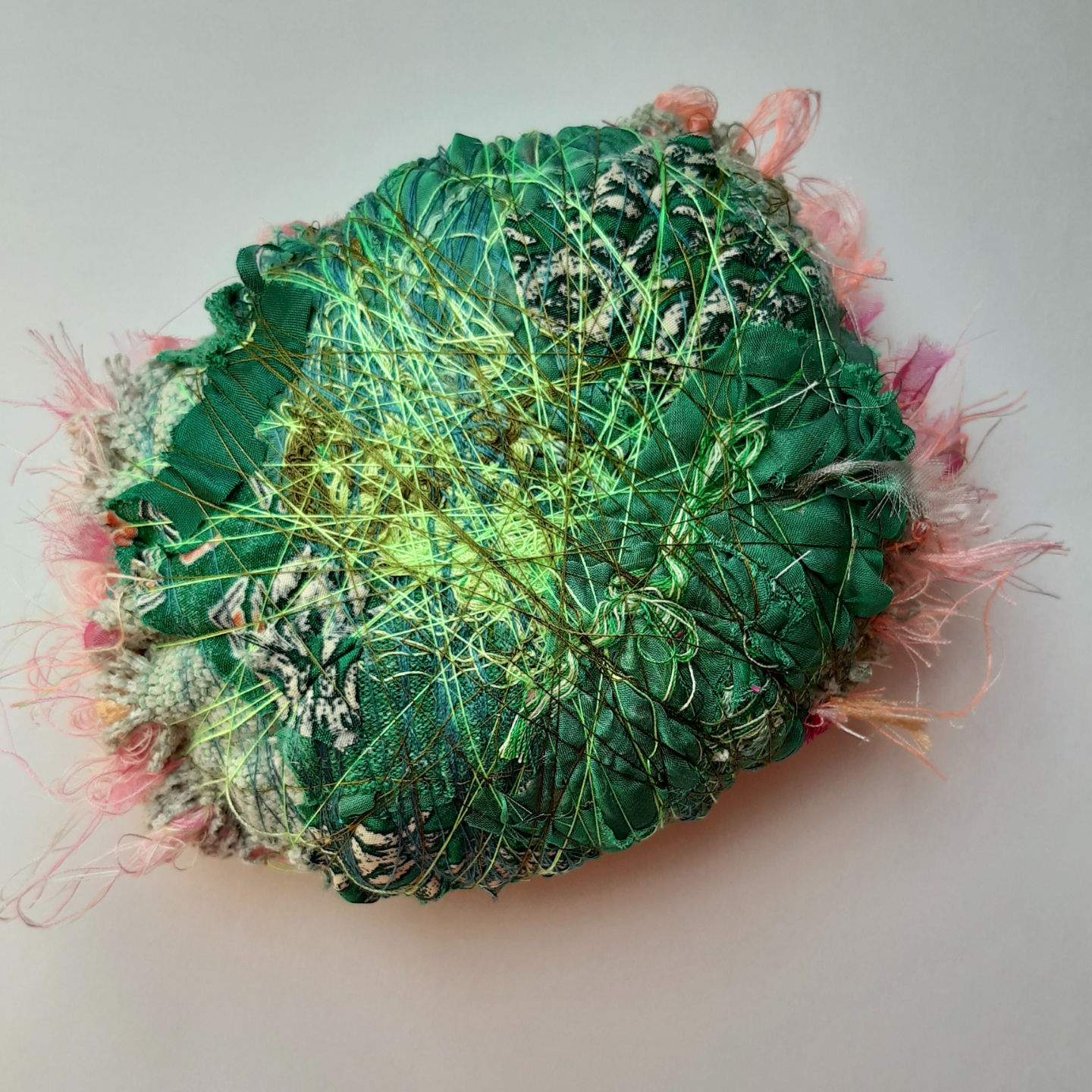
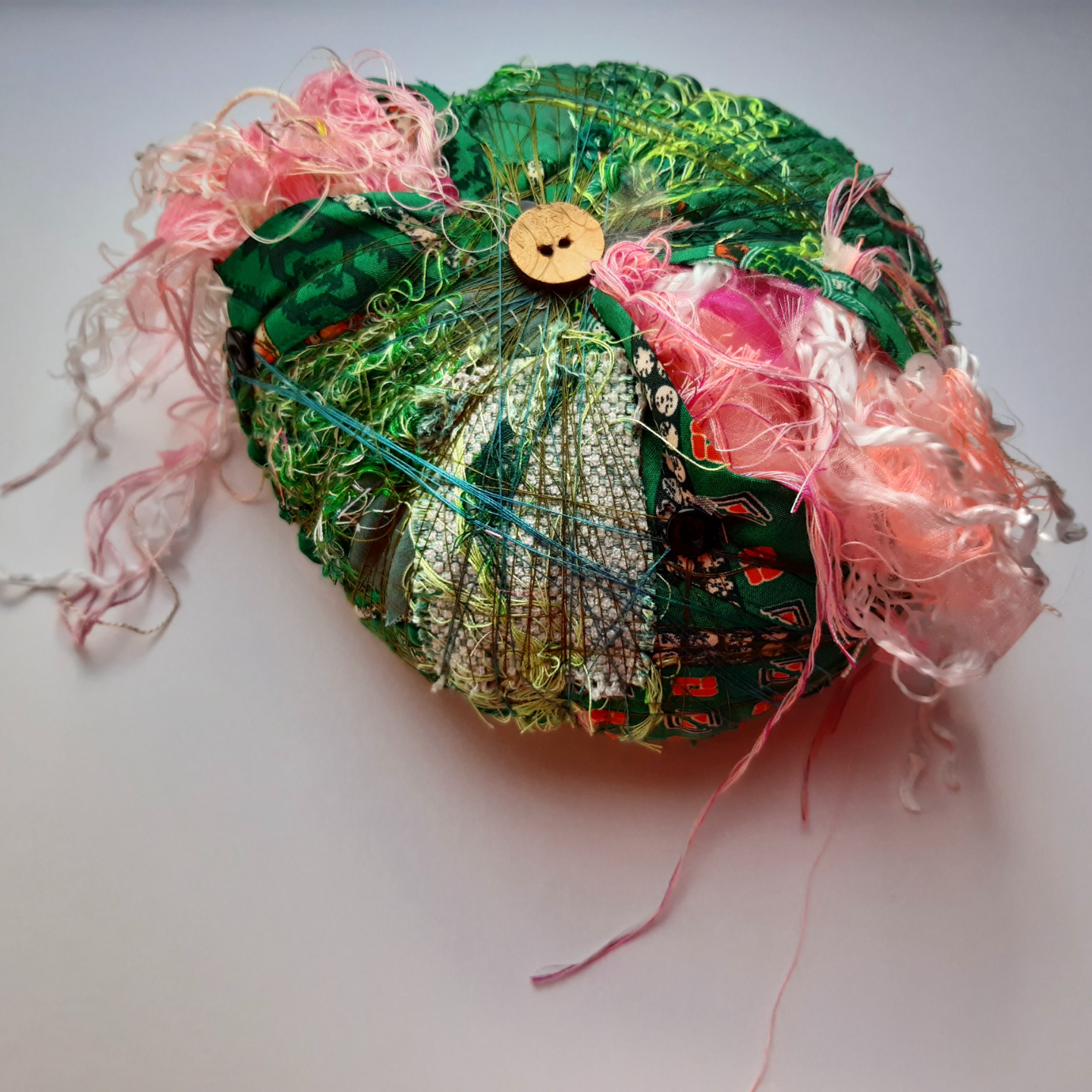
I have created small textile sculptures in response to Eileen Scott’s painting. I am drawn to the door that stands ajar, connecting the inner and outer spaces. The open door invites the audience into the painting, and to cross over the threshold from the more intimate room into the garden, and beyond. The threshold allows the viewer to be in two opposing spaces or realities at the same time. A new in-between space emerges that allows for new realities to be created or imagined.
I have reimagined this transitional space in my textile making. Textiles, for example clothing and curtains have traditionally been thought of as a static barrier, separating public and private spaces. I explore how the gestures of wearing and making textiles challenges this binary assumption, opening up the threshold space, and allowing knowledge to move between the intimate self and the wider world.
Artist Response
Jane creates textile artefacts to share stories about people and places, and all the spaces in between. After a career in education and international development Jane attended an Access to Art Course at York College and discovered textile art. She then completed an MA in Creative Practice at Leeds Arts University, exploring a sense of place.
As her artwork moved away from the safety of place to unknown territories of space, she enrolled on a PhD at Teesside University, to better understand the thinking behind her making. Jane is researching how making textiles artefacts creates a narrative of threshold spaces.